Is mold inspection and testing necessary after water damage or flooding in a Miami-Dade home — the answer in most cases is yes. Mold is not always visible, and in a climate where heat and humidity create near-ideal mold conditions year-round, assuming a home is mold-free based on a visual walkthrough alone is one of the most common and costly mistakes homeowners make after a water event. Professional inspection and testing are what confirm whether mold is present, where it is located, and what remediation actually requires.
Is Mold Inspection and Testing Necessary After Water Damage?
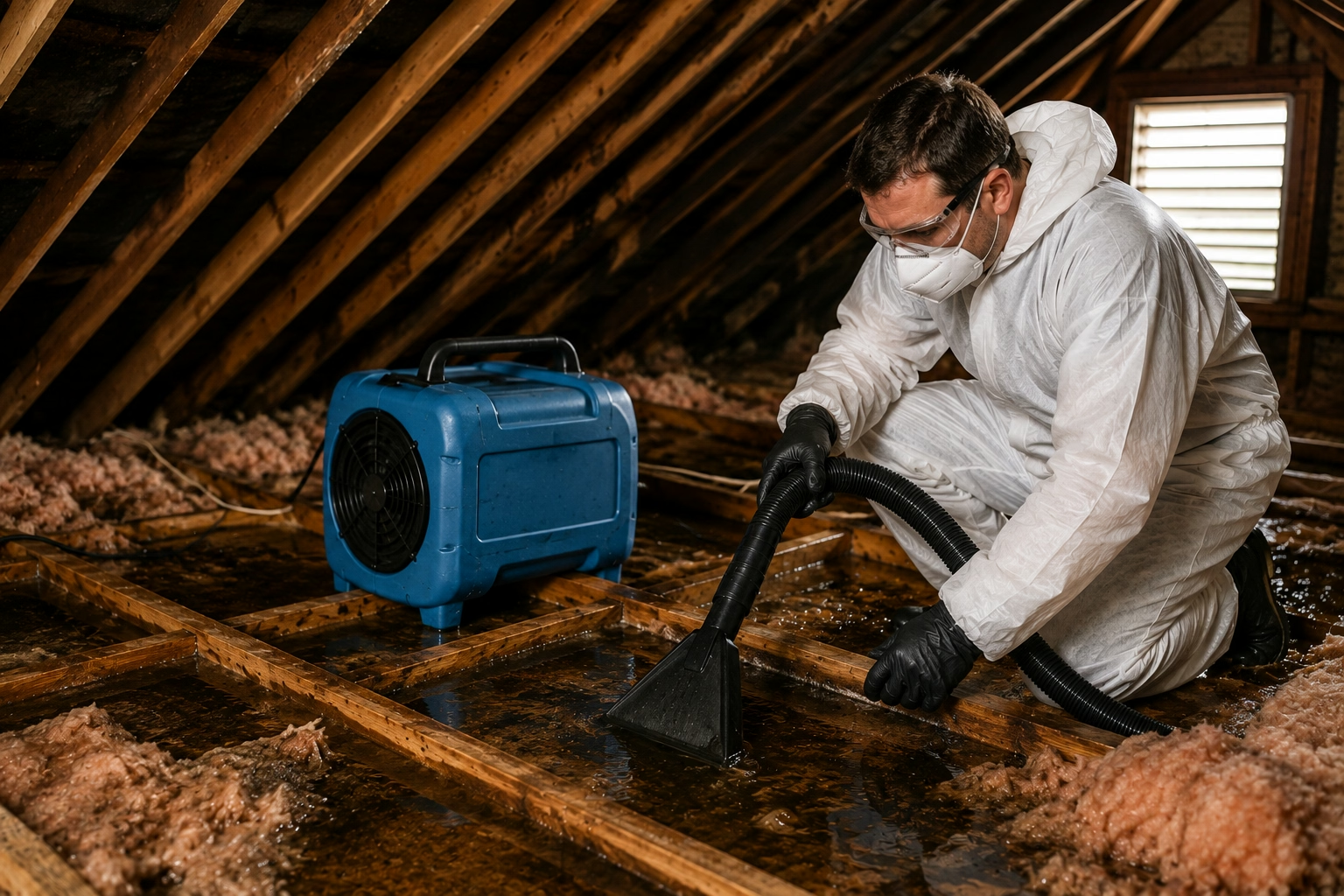
Any home that experienced water damage, flooding, or a roof breach — particularly if professional drying did not begin within 24 to 48 hours — is a strong candidate for mold inspection and testing. In Miami-Dade’s post-hurricane conditions, mold can establish inside wall cavities, beneath flooring, and in ceiling assemblies before any surface sign appears. By the time visible growth is present, the problem has typically already spread beyond what a surface inspection can define.
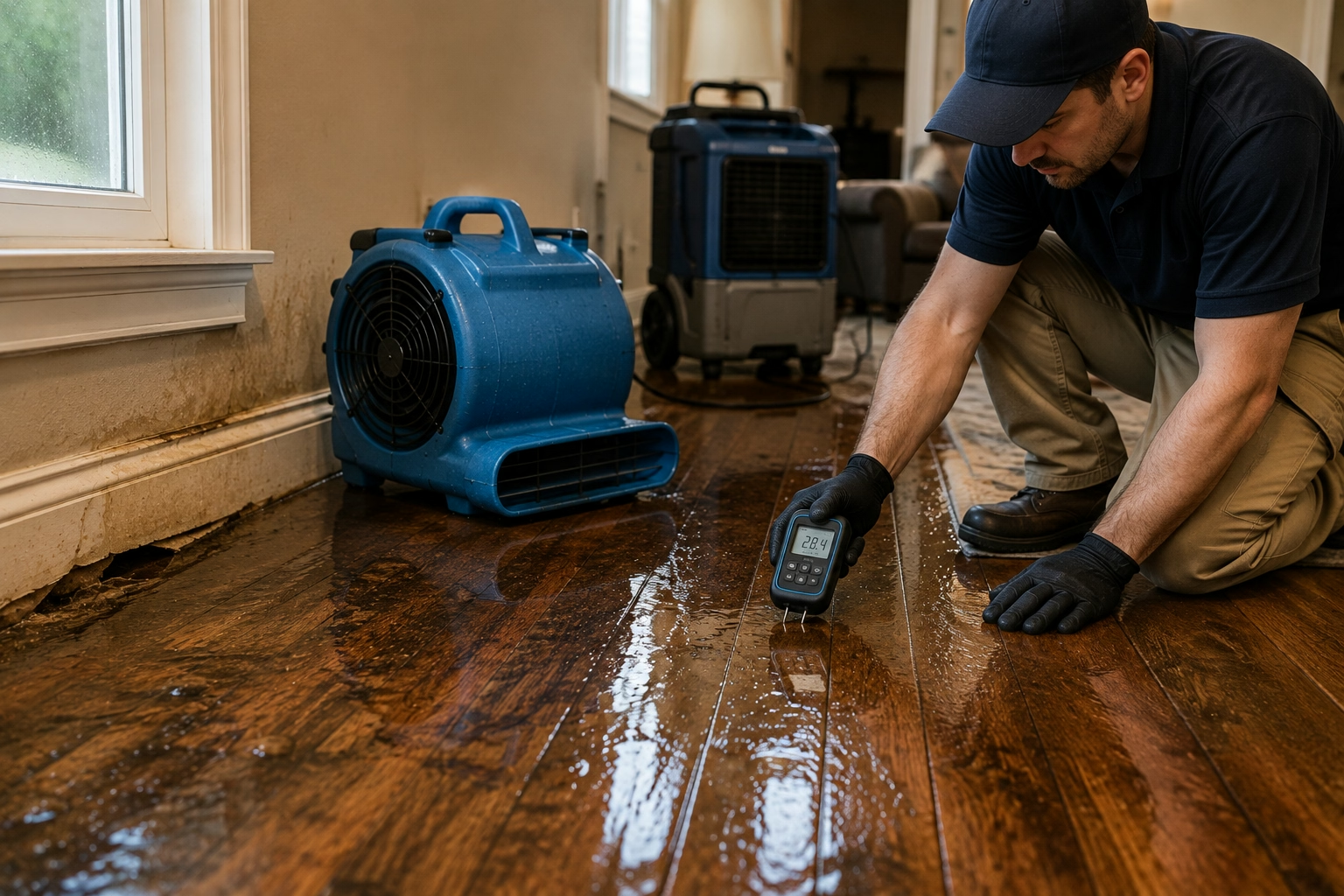
Professional mold inspection uses commercial moisture detection equipment to map saturation levels inside structural assemblies — identifying where mold conditions exist without requiring invasive investigation of every suspect area. Read our post on hidden mold after hurricane flooding to understand how mold establishes in concealed spaces after a water event in Miami-Dade.
What Mold Inspection Involves
A professional mold inspection begins with a full walkthrough of the property — assessing areas with water damage history, checking for visible mold growth, and noting any signs that suggest hidden moisture such as musty odors, discoloration, bubbling paint, or warping baseboards. This walkthrough establishes which areas of the home warrant further investigation.
Moisture mapping follows — using moisture meters and thermal imaging cameras to identify elevated saturation levels inside wall cavities, subfloor assemblies, and ceiling spaces. This step identifies the hidden moisture that sustains mold growth and defines where targeted investigation should focus. Where moisture mapping points to high-risk zones, the inspection team examines those areas specifically — sometimes opening wall cavities or ceiling sections under controlled conditions to assess what is behind the surface.
What Mold Testing Involves
Mold testing is a separate process from inspection — and the two are often confused. Inspection identifies where mold is visually present or where conditions support its growth. Testing identifies which species are present and at what concentration levels — information that affects both the remediation approach and the health risk assessment.
Air sampling captures spore counts from the indoor air and compares them to outdoor baseline levels. Surface sampling collects material from visible mold growth for laboratory analysis. The results confirm whether Stachybotrys chartarum — commonly called black mold — or other mycotoxin-producing species are present, which affects how remediation is scoped and what protective protocols the remediation team uses. Read our post on what is black mold and is it dangerous for how species identification affects the health risk picture.
Frequently Asked Questions
How do I know if I need mold inspection or mold testing? Inspection confirms whether mold is present and where. Testing identifies which species are present and at what concentration. In most post-water-damage situations, inspection comes first — testing follows when species identification is needed for health assessment, insurance documentation, or post-remediation clearance confirmation.
Can I skip mold testing if I can already see mold growth? Visible mold confirms a problem exists but does not tell you which species are present, how far the mold has spread beyond the visible area, or whether spore levels in the air have reached concentrations that pose a health risk. Testing provides that information and supports a more accurate remediation scope.
Does insurance cover mold inspection and testing in Miami-Dade? Mold inspection and testing costs are often reimbursable when mold results from a covered event — such as hurricane wind damage or a covered water event. Document all inspection and testing activity with reports and receipts and include them as part of your overall claim. Paul Davis works directly with your insurance carrier throughout the process.
When Testing Is Most Important
Testing is particularly important in three situations — when occupants are experiencing health symptoms that may be mold-related, when remediation has been completed and clearance confirmation is needed, and when mold is suspected but not visually confirmed. Post-remediation testing is a standard part of professional mold remediation — it confirms that spore levels have returned to normal before containment is removed and reconstruction begins.
Testing is also valuable for insurance documentation. A laboratory report confirming mold species and concentration levels provides objective evidence that supports the mold remediation portion of a hurricane or water damage claim. Our mold damage removal services include post-remediation testing as a standard phase of every project. Contact our water damage restoration services team as soon as mold is suspected — early assessment consistently limits remediation scope and cost.
Is mold inspection and testing necessary — for any Miami-Dade home with a history of water damage, the answer is yes. In a climate where mold conditions develop fast and hidden growth is the norm rather than the exception, professional inspection and testing are what determine whether a home is genuinely safe — not just visually clean.
Call us the moment mold is suspected: 305-749-5728
Paul Davis Restoration of Miami Beach and Hialeah serves Miami Beach, Hialeah, Doral, Aventura, and surrounding Miami-Dade County communities.