What is black mold and is it dangerous — it is one of the most searched questions Miami-Dade homeowners ask after discovering dark growth on walls or ceilings following water damage or flooding. The term black mold gets used broadly and often inaccurately, which creates confusion about how serious a mold problem actually is and what the right response looks like. Understanding what black mold is, what makes it dangerous, and how to respond correctly is what matters most after it is discovered in a home.
What Is Black Mold and Is It Dangerous: The Facts
Black mold most commonly refers to Stachybotrys chartarum — a specific species of mold that produces a dark greenish-black appearance and grows on materials with high cellulose content, such as drywall, wood, and insulation, after prolonged water exposure. It is not the only mold that appears black or dark in color. Many common mold species can appear dark depending on the surface and conditions — which is why visual identification alone is not a reliable way to confirm whether Stachybotrys is present.
What makes Stachybotrys a particular concern is that it produces mycotoxins — toxic compounds that can cause health effects in people exposed to elevated concentrations. However, it is worth noting that not all black-appearing mold is Stachybotrys, and not all mold exposure produces immediate or severe symptoms. Professional testing is the only reliable way to identify which species are present.
Health Effects Associated With Black Mold
Exposure to Stachybotrys and other mycotoxin-producing molds has been associated with respiratory symptoms — coughing, wheezing, and throat irritation — as well as headaches, fatigue, and eye irritation. People with existing respiratory conditions, allergies, compromised immune systems, young children, and the elderly are generally more sensitive to mold exposure than healthy adults.
The severity of health effects depends on the species present, the concentration of spores in the air, the duration of exposure, and individual sensitivity. Symptoms that improve when leaving the home and return when re-entering are a common indicator that indoor mold may be affecting air quality. Read our post on mold after a hurricane in Miami-Dade to understand how quickly mold conditions develop after a water event and what the exposure risk looks like in a storm-affected home.
Where Black Mold Grows in Miami-Dade Homes
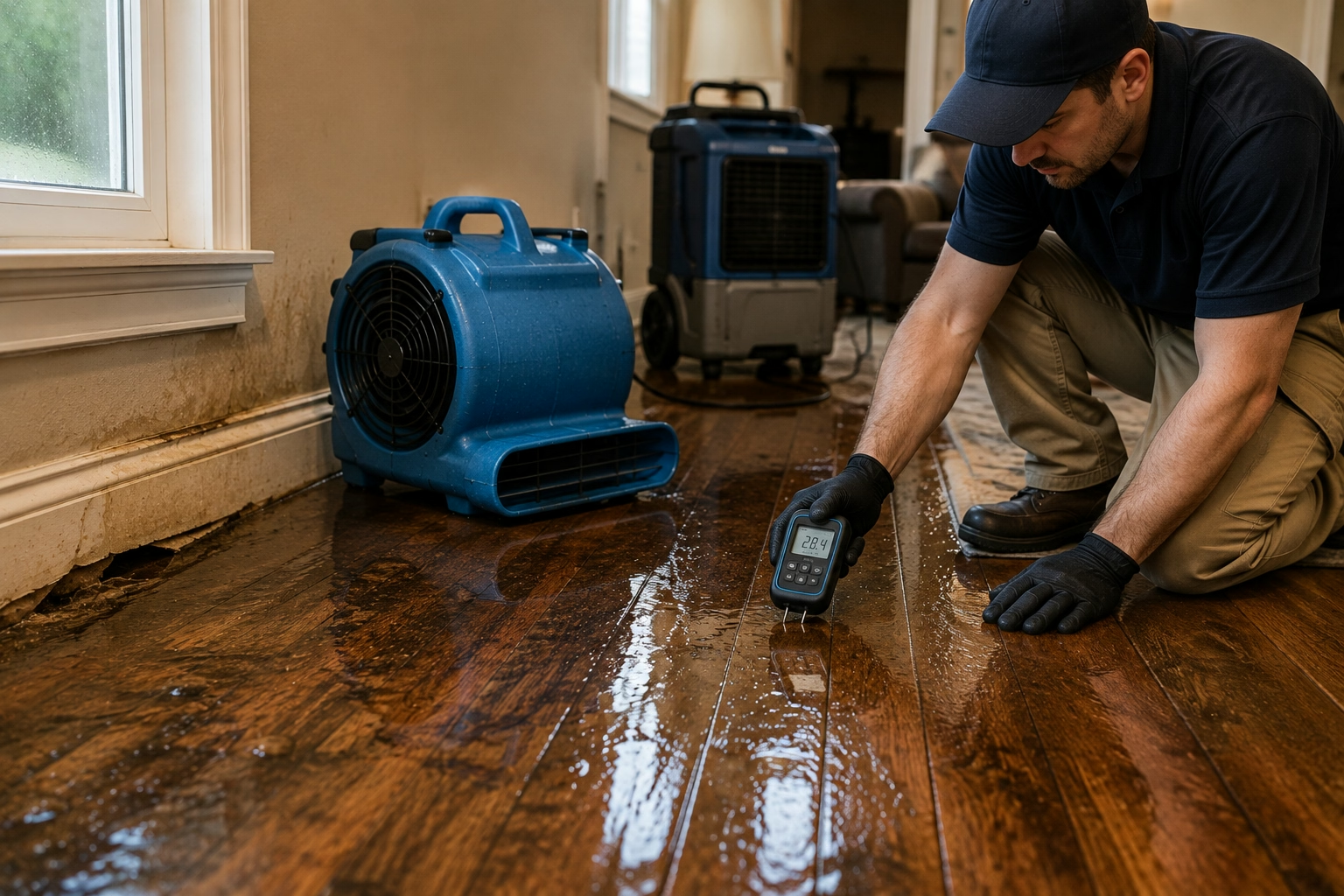
Black mold requires prolonged moisture — not just brief water contact — to establish. In Miami-Dade, the most common sources are water damage from hurricane flooding, storm surge, roof leaks, and plumbing failures that go unaddressed long enough for sustained moisture to develop inside structural materials.
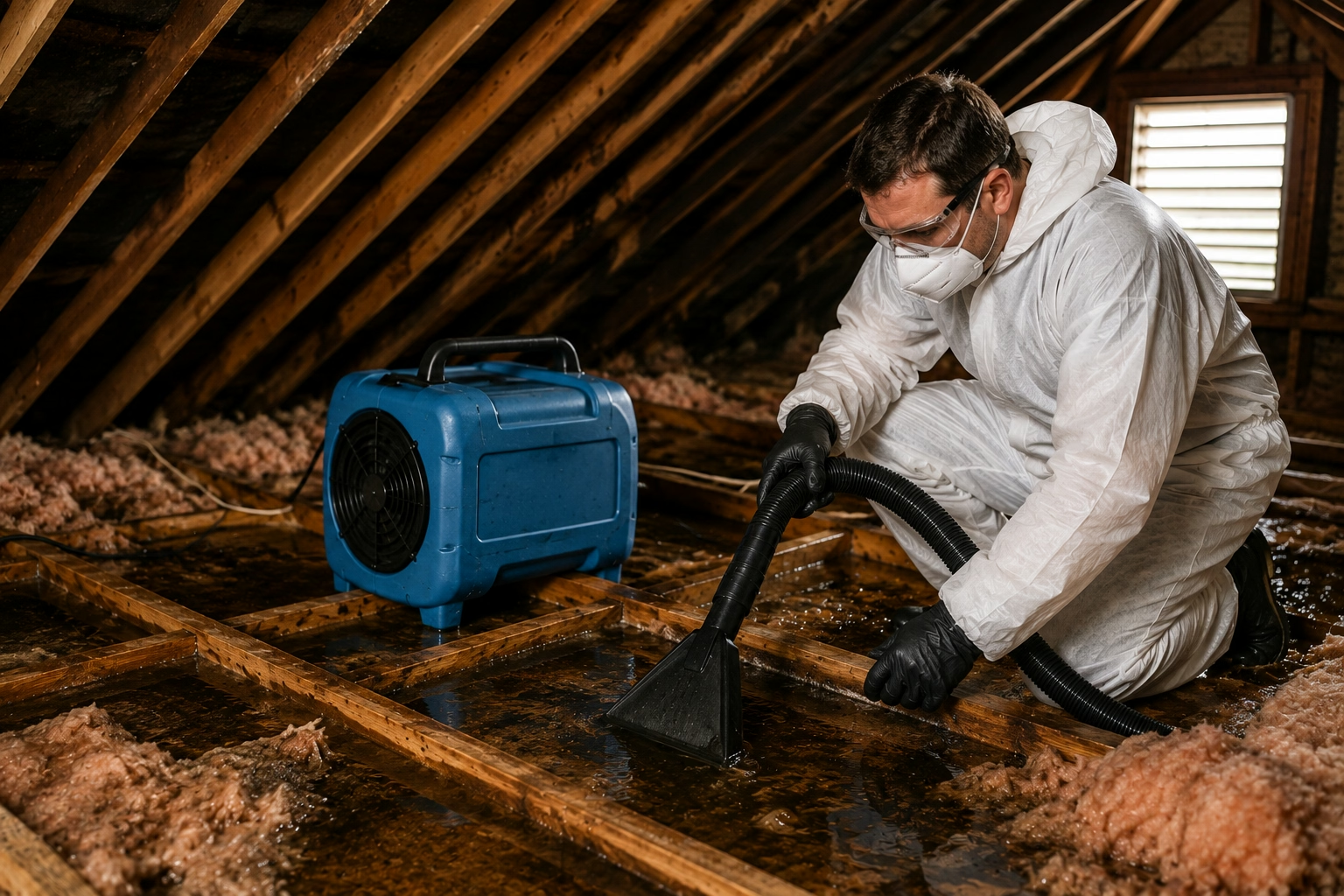
Stachybotrys most commonly appears inside wall cavities, on the back of drywall, in ceiling assemblies, and beneath flooring — spaces where moisture collects and airflow is limited. By the time it becomes visible on a surface, it has typically been growing inside the material for an extended period. Read our post on hidden mold after hurricane flooding for how mold establishes in concealed spaces after a water event.
Frequently Asked Questions
How do I know if the mold in my home is black mold? Visual identification alone is not reliable — many mold species appear dark or black depending on the surface and conditions. Professional testing is the only way to confirm whether Stachybotrys chartarum is present. If you discover any mold growth after water damage, treat it as a professional remediation issue regardless of color.
Can I remove black mold myself in Miami-Dade? DIY removal of black mold is not recommended. Disturbing mold without professional containment spreads spores throughout the home. For any mold that established after a water event — particularly inside structural materials — professional remediation with proper containment protocols is the appropriate response.
Does homeowners insurance cover black mold removal in Florida? Coverage depends on the underlying cause. Mold resulting from a covered event — such as water entering through wind-damaged roofing — is generally included in the claim. Mold from flooding or storm surge falls under flood insurance. Prompt reporting and documented mitigation are required in both cases to protect coverage.
What to Do When You Find Black Mold
Do not disturb mold growth before professional containment is in place. Disturbing a mold colony without containment releases spores into the air and distributes them to other areas of the home — expanding the remediation scope significantly. Document all visible growth with photos and contact a certified remediation team immediately.
Professional mold remediation establishes containment before any work begins, removes affected materials, treats structural surfaces, and confirms through post-remediation testing that spore levels have returned to normal. Our mold damage removal services cover the complete process from containment through clearance testing. Contact our water damage restoration services team immediately — the sooner remediation begins, the smaller the scope.
What is black mold and is it dangerous — the answer is that it is a serious concern that warrants professional response, accurate identification, and complete remediation. In Miami-Dade, where heat and humidity create year-round mold conditions, discovering dark growth after water damage should never be treated as a DIY cleanup problem.
Call us the moment mold is discovered: 305-749-5728
Paul Davis Restoration of Miami Beach and Hialeah serves Miami Beach, Hialeah, Doral, Aventura, and surrounding Miami-Dade County communities.