Hurricane season in South Florida runs from June through November. That’s six months out of every year when the possibility of a major storm making landfall is real, and the window to prepare closes faster than most people expect. When a storm is named and tracking toward South Florida, the stores empty out, the contractors book up, and the time to make thoughtful decisions has passed.
The homeowners and property owners who come through hurricane season in the best shape are the ones who prepared before the storm was on the radar — not while it was. This checklist is designed to help you do exactly that.
Whether you’ve lived in Miami Beach your whole life or you’re newer to South Florida, this guide walks through every category of hurricane preparedness: protecting your property, assembling supplies, planning for your family, and knowing what to do when a storm is approaching.
Why Hurricane Preparedness Matters in South Florida
South Florida sits in one of the most active hurricane corridors in the world. Miami Beach and the surrounding coastal communities face specific risks that make advance preparation especially important.
Coastal proximity means storm surge — the wall of ocean water pushed onshore by hurricane winds — is a serious threat. Storm surge is responsible for more hurricane-related fatalities than any other factor, and it can move inland faster than people expect. Low elevation across much of Miami-Dade County means flooding from both storm surge and rainfall can affect neighborhoods well outside of designated flood zones.
The density of the area also matters. In a densely built environment, wind-borne debris becomes a major hazard during a hurricane. Objects that are normally harmless — patio furniture, potted plants, signs, roof tiles from neighboring properties — become projectiles in hurricane-force winds.
And then there’s the reality that South Florida’s infrastructure — roads, fuel stations, grocery stores, hospitals — can be significantly disrupted even after a moderate storm. Self-sufficiency in the days following a hurricane is not a worst-case scenario. It’s a reasonable expectation.
Property Preparation Checklist
Getting your home physically ready for a hurricane is the most impactful thing you can do before a storm arrives. Structural protection limits damage, and damage limitation directly affects how quickly you recover.
Roof Inspection and Maintenance
Your roof is the first line of defense against hurricane rain and wind. Have your roof professionally inspected before hurricane season if it hasn’t been checked recently. Look for missing or cracked shingles, damaged flashing around chimneys and vents, and any areas where the connection between the roof and the walls may have weakened over time.
In Miami-Dade County, roof-to-wall connections are a critical structural consideration. Older homes may have roof structures that don’t meet current hurricane code requirements. A licensed roofing contractor can assess what your roof can handle and recommend any upgrades.
Storm Shutters and Impact Windows
Hurricane shutters and impact-rated windows are among the most effective protections available for South Florida homes. If your home does not have permanent hurricane protection, plan for temporary shutters — either accordion shutters, panel systems, or properly installed plywood — that can be deployed when a storm is approaching.
Never use tape on windows during a hurricane. It does not prevent glass from breaking and creates a false sense of security. Proper storm shutters or impact glass are the only effective options.
If you use plywood for temporary protection, use a minimum of 5/8-inch marine-grade or exterior-grade plywood, pre-cut to fit each window and door opening, with anchor points already in place so installation takes minutes rather than hours when a storm approaches.
Garage Doors
Garage doors are one of the most vulnerable points on a home during a hurricane. A garage door failure can allow wind to enter the structure and dramatically increase pressure on the roof — a primary cause of roof loss during hurricane events.
Check whether your garage door is rated for hurricane winds. If it isn’t, a bracing kit may be available for your door type. If the door is old or significantly damaged, replacement with a hurricane-rated door before storm season is worth serious consideration.
Doors and Entry Points
All exterior doors should have at least three hinges and a deadbolt that extends at least one inch. Double doors need flush bolts at the top and bottom in addition to the center lock. Sliding glass doors should have a secondary locking bar in the track and should be covered with shutters or impact glass when a storm is approaching.
Walk around your home and check every entry point — doors, windows, vents, utility penetrations — for gaps or deteriorated seals that could allow wind and water entry.
Yard and Exterior Cleanup
Everything in your yard that is not anchored to the ground should be considered a potential projectile in hurricane winds. Patio furniture, potted plants, grills, decorative items, tools, children’s play equipment — all of it should be brought indoors or secured when a storm is approaching.
Trim trees and shrubs before hurricane season. Remove dead or overhanging branches that could break and strike the structure during a storm. Large trees close to the house should be evaluated by a certified arborist for structural integrity.
Check that outdoor furniture anchors, fence posts, and any exterior fixtures are in good condition. Fences can become large projectile panels in strong winds if they are not properly maintained.
Drainage and Flood Prevention
Walk your property and check that all drainage paths are clear — gutters, downspouts, yard drains, swales, and any drainage infrastructure. Clean gutters of leaves and debris before hurricane season and again before a storm approaches.
If your property has a history of flooding, consider sandbags or temporary flood barriers as part of your pre-storm plan. Know the flood zone designation for your property and understand what it means for your risk during a hurricane.
Backup Power
Power outages after a hurricane in South Florida are routine, and they can last days to weeks in areas with significant storm damage. A generator provides critical backup power for refrigeration, medical equipment, fans, and communication.
If you have a portable generator, make sure it is stored with treated fuel or run regularly so it starts when you need it. Position it at least 20 feet from any window, door, or vent — carbon monoxide from generators is one of the leading causes of post-hurricane fatalities.
A whole-home standby generator connected to natural gas or propane provides more seamless backup power and eliminates the fuel storage issue. If that’s a longer-term investment, a portable generator with a transfer switch is a safer and more manageable option than running extension cords.
Emergency Supply Checklist
When a hurricane causes a significant disruption, you may not be able to leave your home or access stores for several days. The standard guidance from emergency management authorities is to be prepared to sustain yourself independently for a minimum of seven days — longer if you are in an area prone to extended power outages or road closures.
Water
Store at least one gallon of water per person per day for a minimum of seven days. Include water for pets. Commercially sealed water bottles are the most reliable option. If you use large water storage containers, make sure they are food-grade and clean before filling.
Fill your bathtub with water before a storm arrives using a WaterBOB or similar liner — this provides additional water for non-drinking purposes.
Know where your water shutoff is located in case pipes are damaged during the storm.
Food
Stock at least a seven-day supply of non-perishable food that does not require cooking or refrigeration. Focus on items your family will actually eat — canned goods, dried fruit, nuts, protein bars, peanut butter, crackers, and shelf-stable meals.
Include a manual can opener. Include comfort foods, especially if you have children. Rotate your supply annually so nothing expires.
If you have a gas stove, it can typically be lit manually during a power outage. If you have an electric stove only, a camp stove with fuel canisters provides cooking capability when power is out.
Medical and Health Supplies
Stock a minimum 30-day supply of any prescription medications you or your family members take regularly. Many insurance companies will authorize early refills before a declared hurricane emergency — contact your provider before storm season to understand the process.
Maintain a well-stocked first aid kit that includes bandages, antiseptic, pain reliever, antihistamines, anti-diarrheal medication, and any supplies specific to your family’s health needs.
If anyone in your household uses medical equipment that requires electricity — CPAP machines, oxygen concentrators, refrigerated medication — plan specifically for power outage scenarios. Contact your medical provider for guidance on backup options and register with your utility company as a medical baseline customer if you qualify.
Communication and Power
Charge all devices before a storm arrives. Keep portable battery banks charged and available.
A battery-powered or hand-crank NOAA weather radio is an essential item — it provides emergency broadcasts when cell service and internet are disrupted and is often the most reliable source of real-time storm information when power is out.
Keep a battery-powered flashlight and extra batteries in an easily accessible location. Headlamps are particularly useful during cleanup and repairs.
Download your local emergency management apps and enable weather alerts on your phone before storm season.
Documents and Financial Preparation
Keep copies of important documents — insurance policies, identification, mortgage documents, medical records, prescriptions — in a waterproof container or bag that can be taken with you if you need to evacuate.
Store digital copies in a secure cloud service so they are accessible from any device.
Keep some cash on hand. ATMs and card readers often go offline after a storm, and cash is frequently necessary for basic transactions in the immediate aftermath.
Know your insurance policy details before a storm: your deductible, what is and isn’t covered, and the claims reporting process. Having your insurer’s phone number saved and accessible is a small thing that matters a great deal after a storm.
Personal and Household Supplies
Stock adequate quantities of toiletries, hygiene products, and household supplies for at least seven days. Include garbage bags, cleaning supplies, and disinfectant — cleanup after a storm generates significant waste and mess.
If you have infants or young children, stock formula, diapers, and other essentials for at least a week. If you have pets, stock food, water, medications, and carrier supplies.
Evacuation Planning Checklist
Not every hurricane requires evacuation, but some do — particularly for residents in low-lying areas, mobile homes, or coastal zones vulnerable to storm surge. Having an evacuation plan in place before storm season means you’re making decisions calmly, not under pressure.
Know Your Zone
Miami-Dade County uses a lettered evacuation zone system — Zone A through Zone F — based on storm surge vulnerability. Know which zone your home is in and what level of storm triggers a mandatory evacuation for your zone. This information is available through Miami-Dade County’s Office of Emergency Management.
Plan Your Route
Identify at least two evacuation routes out of your area in case one road is blocked by flooding or debris. Know which routes are likely to flood and which are higher ground. Program your destination into your navigation app before you leave — don’t rely on real-time routing that may be disrupted during a storm event.
Identify Your Destination
Know where you will go if you evacuate. That may be a family member’s home outside the evacuation zone, a hotel in a safer area that you’ve already identified, or a public emergency shelter. If you plan to use a public shelter, know the location of the nearest one in advance and understand that shelters for people with special needs or pets have separate registration requirements.
Go Early
If an evacuation order is issued for your zone, leave as early as possible. Contraflow operations on major highways help move traffic out, but roads become increasingly congested as a storm approaches. Fuel stations run out. Hotels fill up. The earlier you go, the smoother the process.
Prepare Your Home Before You Leave
Before leaving for an evacuation, complete the following: shut off electricity at the main breaker, shut off natural gas if directed by local authorities, close and lock all interior doors to help maintain structural integrity, move valuables to upper floors if flooding is anticipated, and complete all exterior shutter and protection installations.
Before a Storm Is Named: Year-Round Preparation
The most effective hurricane preparedness happens year-round, not just when a storm is approaching. These are the things worth doing now, before storm season puts you under time pressure.
Have your roof inspected and any identified issues repaired. Install or confirm the condition of hurricane shutters or impact windows. Test your generator and run it under load. Review your insurance coverage — both homeowner’s and flood — and confirm it is current and adequate. Schedule a property walkthrough with a restoration professional to identify any structural vulnerabilities before they become storm damage. Know your evacuation zone and plan your route. Build and maintain your emergency supply kit.
A professional property walkthrough before hurricane season gives you a clear picture of your home’s vulnerabilities and what can be done to address them — before a storm is on the radar and time runs out.
Frequently Asked Questions
When does hurricane season start in Florida?
Hurricane season officially runs from June 1 through November 30. The most active period statistically is mid-August through mid-October, but significant storms can develop outside of those peak months as well.
How much water should I store for a hurricane?
At least one gallon per person per day for a minimum of seven days. Store additional water for pets and for non-drinking uses such as sanitation and cleaning.
Do I need flood insurance in Miami Beach?
Many properties in Miami Beach and Miami-Dade County are in designated flood zones where flood insurance may be required by mortgage lenders. Even outside required zones, flood insurance is worth considering given South Florida’s flooding risk. Standard homeowner’s insurance does not cover flood damage from rising water.
What is the most important thing to do before a hurricane?
Protect the structure of your home — shutters, garage door, roof condition — and have a clear plan for where you will go and when you will leave if evacuation is ordered. Both property protection and a solid evacuation plan are essential.
How do I know if my area will be under a mandatory evacuation order?
Monitor Miami-Dade County’s Office of Emergency Management and the National Hurricane Center for official guidance. Sign up for Miami-Dade Alert to receive emergency notifications directly to your phone.
Can I stay in my home during a hurricane?
It depends on your evacuation zone, the strength of the storm, and your home’s construction. Residents in Zone A and mobile home residents are typically ordered to evacuate for any significant storm. Never shelter in place in a home with an unprotected structure or in an area under a mandatory evacuation order.
A Team You Can Trust
Paul Davis Restoration of Miami Beach & Hialeah offers complimentary property walkthroughs for homeowners and property managers in Miami Beach and the surrounding South Florida communities before hurricane season. Our team can identify structural vulnerabilities, recommend protective measures, and ensure you’re in the best possible position before a storm arrives.
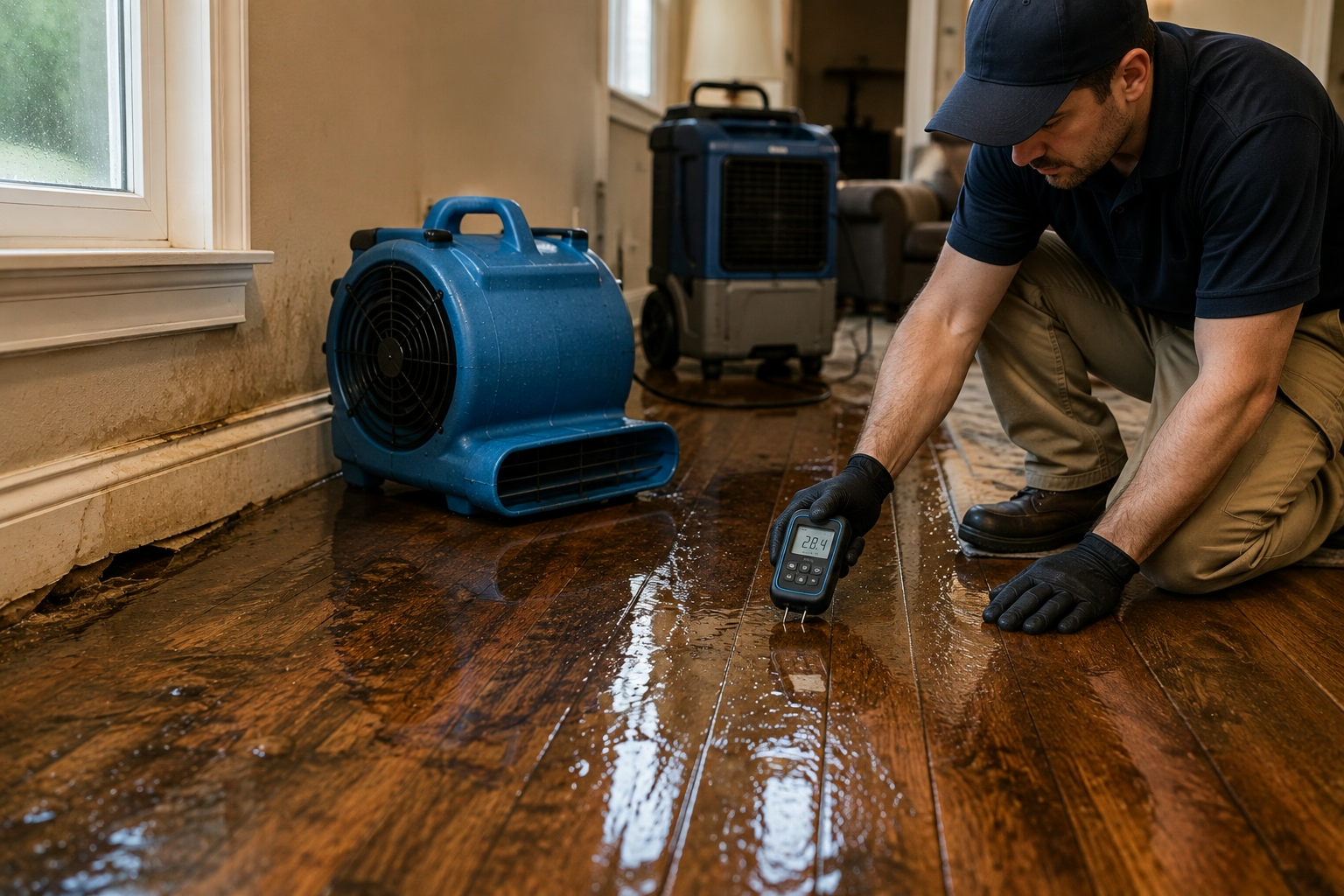
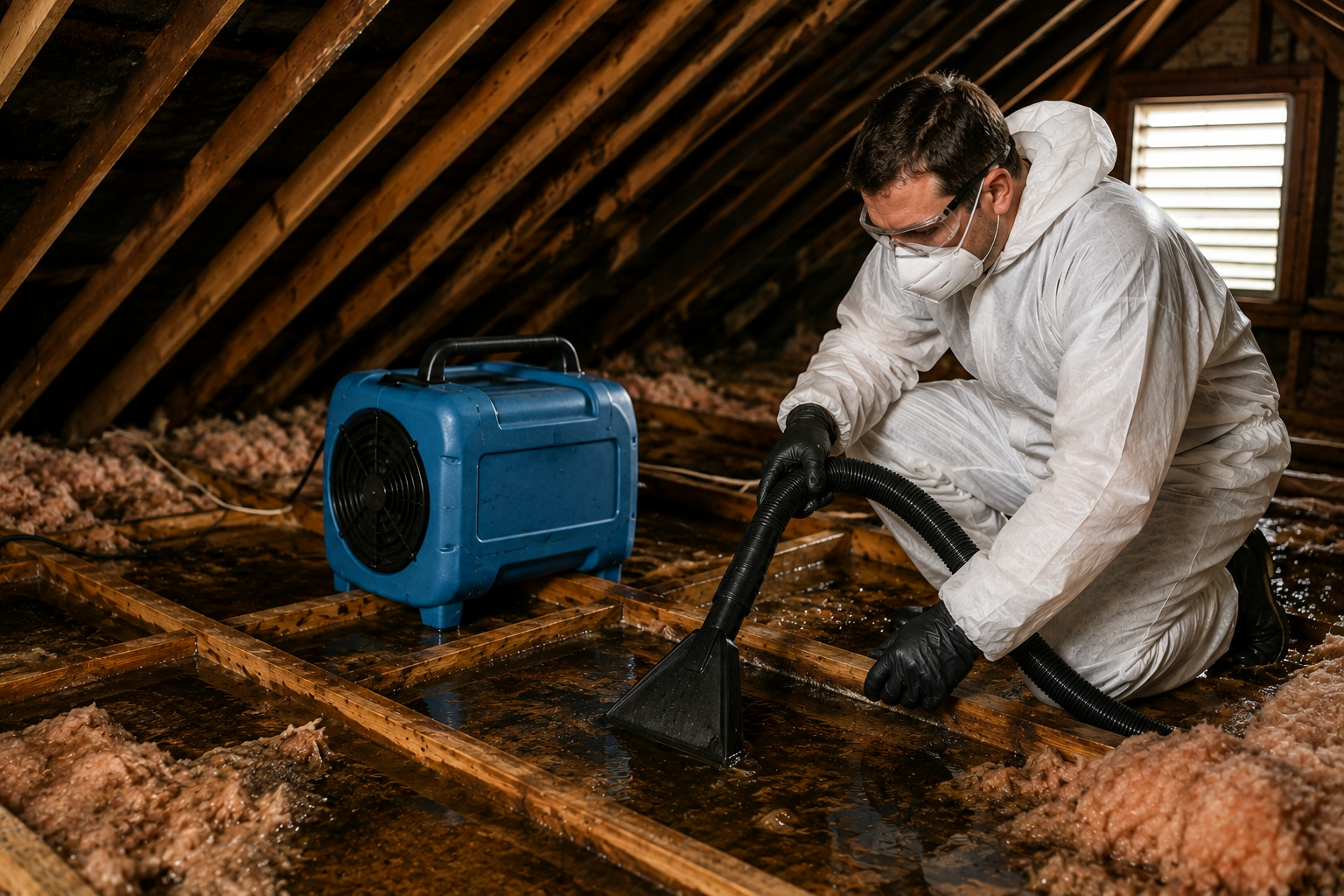
If a hurricane does cause damage to your property, we are available 24/7 for emergency response — tarping, board-up, water extraction, structural drying, and full restoration from start to finish.
Preparation is always the better path. Let us help you get there before storm season puts you under the clock.
Call Us to Schedule Your Pre-Storm Property Walkthrough: 305-787-2260
Paul Davis Restoration of Miami Beach & Hialeah serves Miami Beach, Hialeah, Doral, Aventura, and surrounding South Florida communities.