How do I know if I have mold in my home — it is one of the most common questions Miami-Dade homeowners ask after water damage, hurricane flooding, or a roof leak. The challenge is that mold does not always announce itself visibly. In many cases the most significant mold growth in a home is entirely hidden — inside wall cavities, beneath flooring, and in ceiling assemblies where moisture collected after a water event. Knowing what to look for, what to smell for, and when to call for professional assessment is what determines whether mold is caught early or discovered after it has spread significantly.
How Do I Know If I Have Mold in My Home: Visual Signs
Visible mold growth is the most obvious indicator but not always the first one to appear. Dark spots or patches on walls, ceilings, or flooring — particularly in areas that experienced water intrusion — are the clearest visual sign. Mold can appear in a range of colors including black, green, grey, and white depending on the species and the surface it has colonized.
Less obvious visual signs include discoloration or staining at the base of walls, bubbling or peeling paint on drywall surfaces, and warping or buckling in baseboards and flooring. These surface changes often indicate moisture behind the material — which means mold conditions may already be present inside the wall or subfloor assembly even if no growth is yet visible on the surface. Read our post on hidden mold after hurricane flooding to understand how mold establishes in concealed spaces before it becomes visible.
Odor as an Early Mold Indicator
A persistent musty odor is frequently the first sign of mold in a Miami-Dade home — appearing before any visible growth is present. Mold produces volatile organic compounds as it grows, and those compounds create a distinctive earthy, musty smell that does not clear when the home is aired out.
The odor is strongest near the source — a specific wall, a section of flooring, a ceiling area — which can help narrow down where hidden mold may be present. If the smell is noticeable when you enter the home after being away, improves when windows are open, or is concentrated in a particular room or area, professional moisture assessment is warranted regardless of whether visible mold is present.
Health Symptoms That Suggest Mold Exposure
Recurring health symptoms that improve when you leave the home and return when you come back are a significant indicator that indoor mold may be affecting air quality. Symptoms commonly associated with mold exposure include persistent coughing, sneezing, eye irritation, headaches, and fatigue — particularly in individuals with allergies, asthma, or compromised immune systems.
In Miami-Dade, these symptoms are sometimes attributed to outdoor allergens year-round — which can delay the recognition that indoor mold is the source. If symptoms are consistently worse at home than elsewhere, mold assessment should be part of the investigation. Read our post on what is black mold and is it dangerous to understand the health implications of different mold types in a home environment.
Frequently Asked Questions
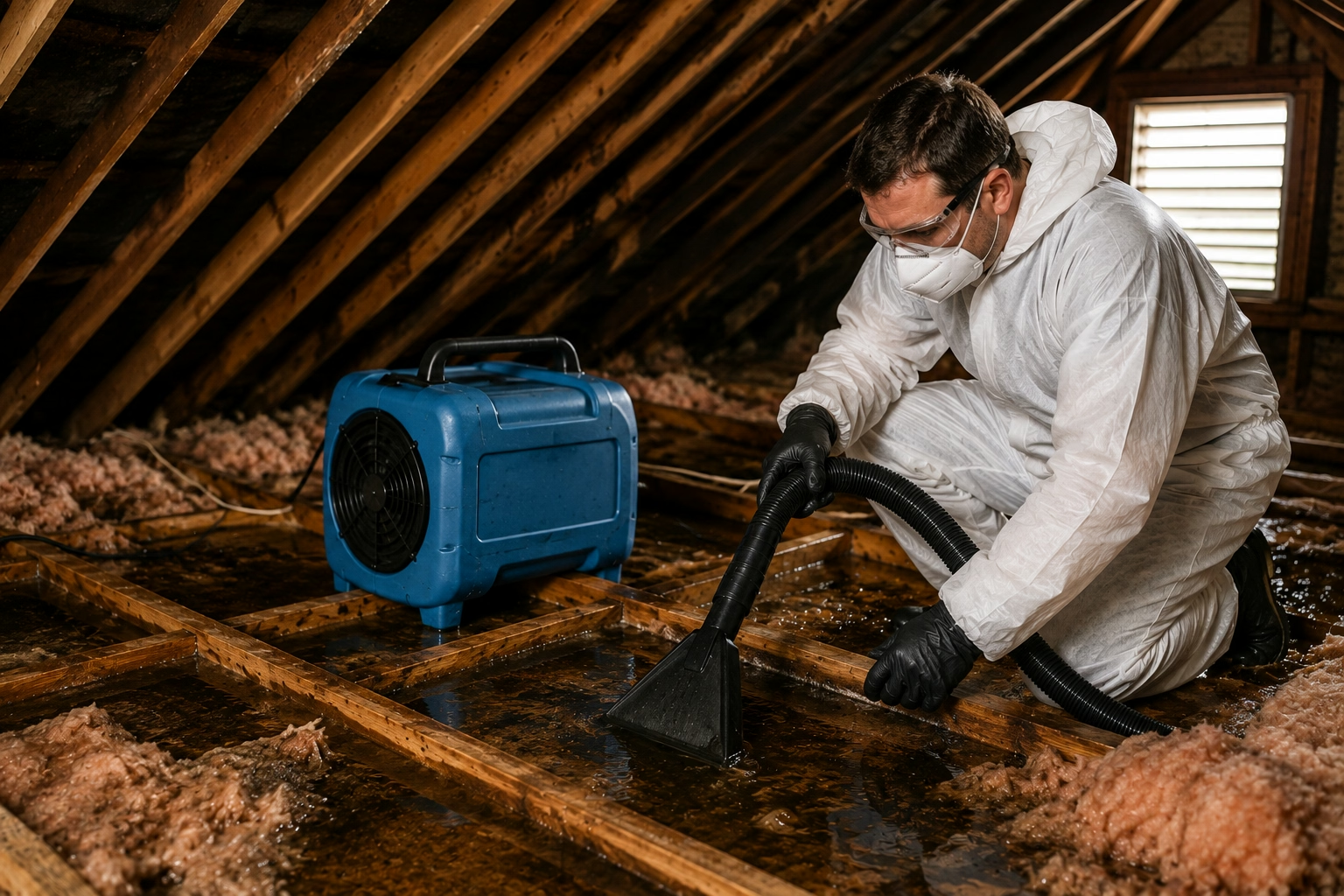
Can mold be present in my home without being visible? Yes — and it commonly is after water damage in Miami-Dade. Mold most frequently establishes inside wall cavities, beneath flooring, and in ceiling assemblies where moisture collects and airflow is limited. By the time it becomes visible on a surface, it has typically been growing inside the material for days or weeks.
How do I tell the difference between mold and dirt or staining? Mold growth typically has a fuzzy or irregular texture and is often accompanied by a musty odor. It tends to appear in areas with moisture history — near windows, along wall bases, in bathrooms, and in areas that experienced water intrusion. Staining from water alone tends to be flat and uniform. When in doubt, professional testing is the only reliable way to confirm mold presence and identify the species involved.
How quickly can mold develop after water damage in Miami-Dade? Mold can begin establishing inside structural materials within 24 to 48 hours of water intrusion in Miami-Dade’s warm, humid climate. Homes that experienced flooding or significant water damage and were not professionally dried within that window have a high likelihood of hidden mold — regardless of whether visible signs are present.
When to Call for Professional Mold Assessment
Any home that has experienced water damage, flooding, or a roof leak in the past — even if it appeared to dry out on its own — is a candidate for professional mold assessment. In Miami-Dade’s climate, mold can establish inside structural materials within 24 to 48 hours of water intrusion. Homes that were not professionally dried following a water event frequently harbor hidden mold that produces no visible surface sign for weeks or months.
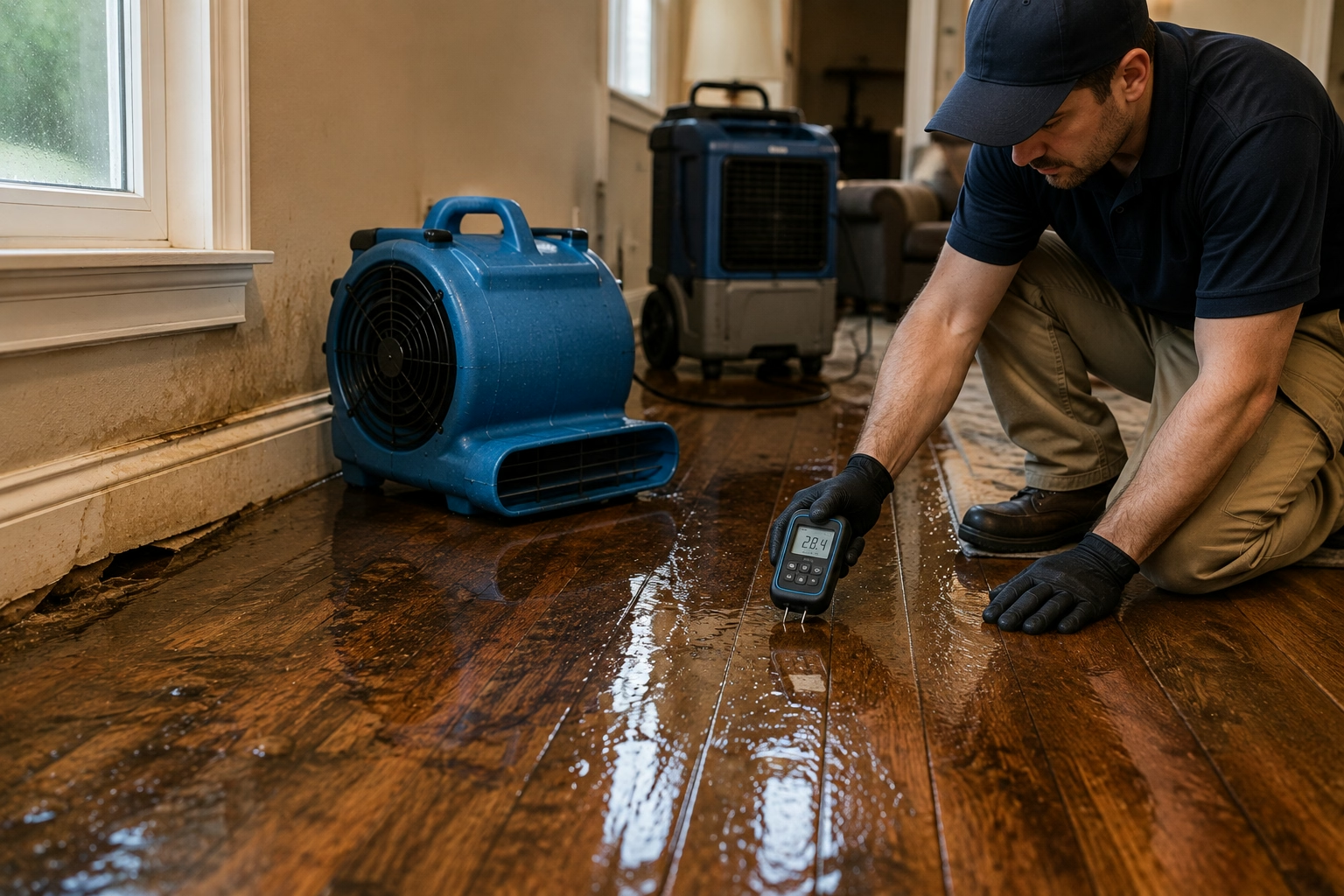
Professional moisture mapping using commercial detection equipment identifies elevated moisture levels inside structural assemblies — the precondition for mold growth — without requiring invasive investigation of every suspect area. Where moisture mapping identifies high-risk zones, targeted assessment confirms whether mold has established. Our mold damage removal services cover the full process from detection through post-remediation testing. Contact our water damage restoration services team as soon as mold is suspected — early assessment is always less costly than late discovery.
How do I know if I have mold in my home comes down to knowing what to look for beyond the obvious. In Miami-Dade, where heat and humidity create year-round mold conditions, any history of water damage warrants professional assessment — not just a visual check.
Call us the moment mold is suspected: 305-749-5728
Paul Davis Restoration of Miami Beach and Hialeah serves Miami Beach, Hialeah, Doral, Aventura, and surrounding Miami-Dade County communities.