Can carpeting be saved after water damage — it is one of the first questions Miami-Dade homeowners ask when water enters a carpeted room after a hurricane, pipe burst, or appliance failure. The answer is not always yes, and it is not always no. Whether carpeting can be saved after water damage depends on three factors that a professional assessment determines: the category of water involved, how long the carpet has been wet, and what condition the padding and subfloor beneath it are in. Getting that determination right matters — because replacing salvageable carpet adds unnecessary cost, and attempting to save contaminated carpet creates mold and health risks that are far more expensive to address later.
Can Carpeting Be Saved After Water Damage: What the IICRC Standard Says
The IICRC S500 Standard for Professional Water Damage Restoration — the restoration industry’s governing document for water damage decisions — classifies water into three categories that directly determine whether carpeting can be saved after water damage or must be removed.
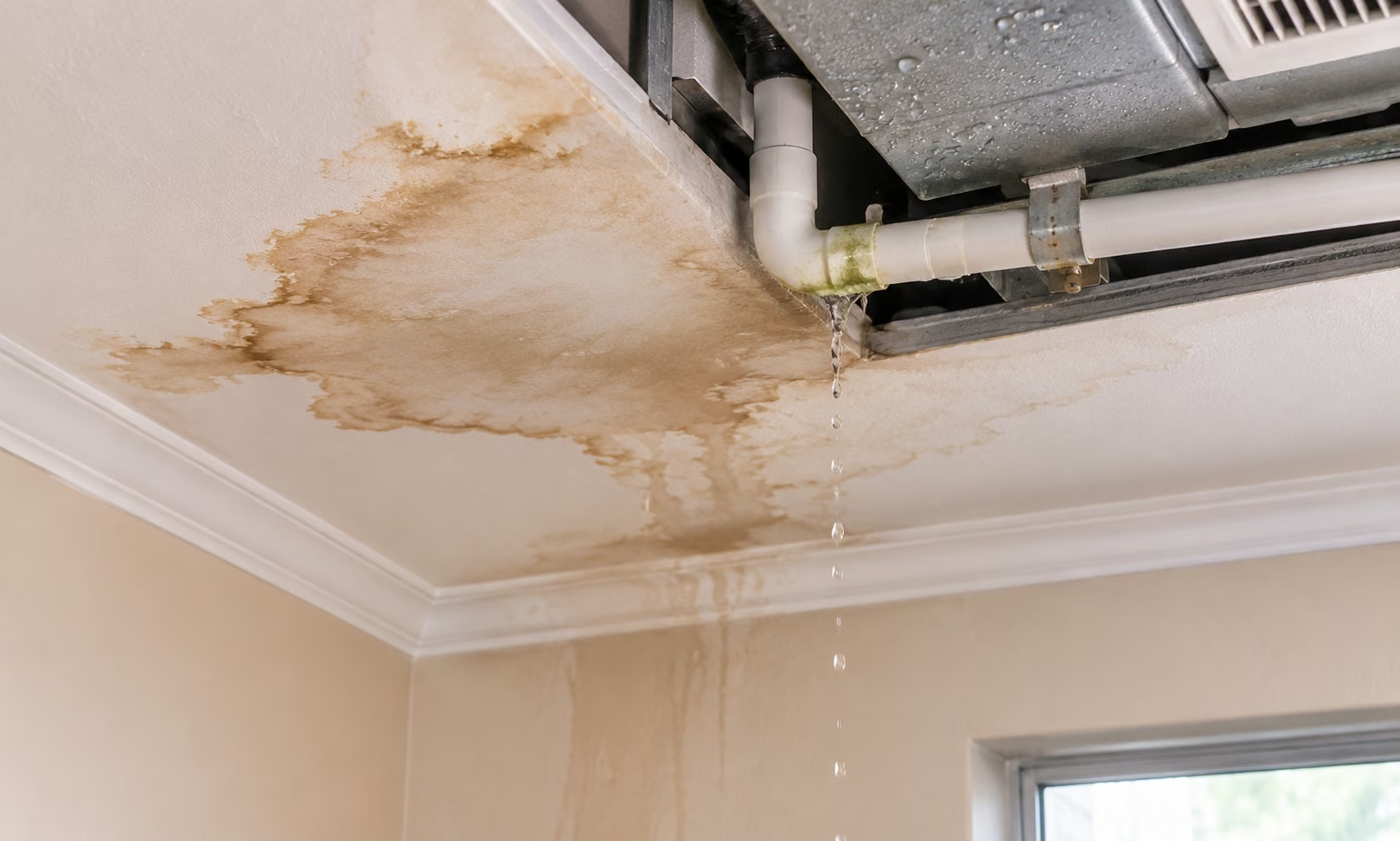
Category 1 clean water — from a supply line break, appliance overflow, or roof leak from rainwater — gives carpet the best chance of being saved when professional extraction and drying begin within 24 to 48 hours. Category 2 grey water — from washing machine discharge, dishwasher overflow, or contaminated sources — requires antimicrobial treatment alongside extraction and has a narrower restoration window. Category 3 black water — from sewage backup, floodwater, or storm surge — means carpet cannot be saved after water damage regardless of how quickly the response begins. The IICRC S500 standard leaves no gray area on this point: all porous materials contacted by Category 3 water are removed and disposed of.
Carpet Padding Almost Never Survives Water Damage
The most important thing to understand about whether carpeting can be saved after water damage is that the carpet face fiber and the padding beneath it are two separate questions — and the answer for padding is almost always replacement regardless of water category. Padding absorbs water like a sponge, holds far more moisture than the carpet fiber above it, and dries so slowly that mold establishes inside it before commercial drying equipment can bring it to acceptable moisture levels.
According to the EPA’s guidance on mold and moisture, mold can begin developing within 24 to 48 hours of water exposure — and saturated carpet padding in Miami-Dade’s climate creates exactly those conditions. Professional restoration lifts the carpet edges, removes and disposes of the padding as a standard first step, and dries the exposed subfloor before any carpet restoration decision is finalized. A carpet that looks dry from above can be sitting on a soaking wet pad that is already producing mold beneath it.
When Carpeting Cannot Be Saved After Water Damage in Miami-Dade
In Miami-Dade, the most common water damage scenarios that make it impossible to save carpeting are hurricane flooding and storm surge — both of which produce Category 3 conditions. Floodwater that has contacted Miami-Dade’s overwhelmed drainage infrastructure carries sewage contamination. Storm surge introduces saltwater that embeds salt minerals and marine contaminants into carpet fiber that cannot be extracted through cleaning.
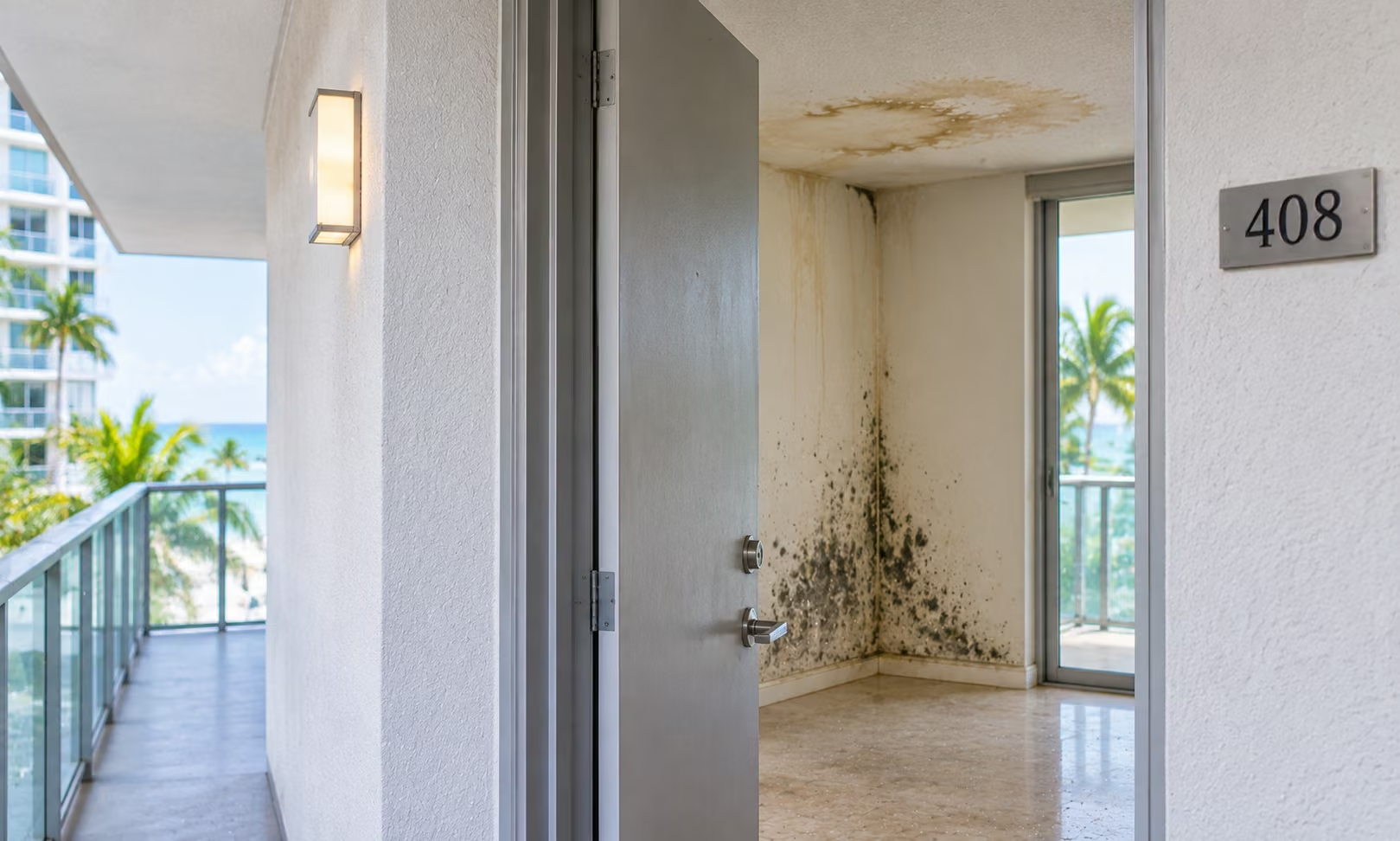
Carpeting that has been wet for more than 72 hours is also typically removed regardless of water category. Beyond that window — particularly in Miami-Dade’s heat — mold is almost certain to have established in both the carpet backing and the subfloor below. Visible mold growth on carpet, persistent odor that does not resolve after extraction, and delamination of the carpet backing from the face fiber are all indicators that saving carpeting after water damage is no longer a realistic option. Read our post on what types of water damage do you handle for how water category determines restoration decisions across all material types.
Frequently Asked Questions
Can carpeting be saved after water damage from a burst pipe in Miami-Dade? Yes — when the water source is clean and professional extraction begins within 24 to 48 hours. The carpet padding will almost certainly need replacement regardless, but the carpet face fiber can often be extracted, cleaned, antimicrobially treated, and re-laid over new padding when clean water is involved and response time is fast.
Does carpet always need to be replaced after hurricane flooding in Miami-Dade? In most cases yes. Hurricane flooding in Miami-Dade typically produces Category 3 black water conditions — floodwater that has contacted sewage infrastructure. The IICRC S500 standard requires removal and disposal of all porous materials contacted by Category 3 water. Storm surge adds saltwater contamination that makes restoration impossible regardless of response speed.
Does insurance cover carpet replacement after water damage in Florida? Carpet replacement after a covered water event — burst pipe, storm roof breach, appliance failure — is typically covered under standard Florida homeowners insurance. Carpet damaged by flooding or storm surge requires separate flood insurance coverage. Document all visible water damage to carpeting before any removal begins and report the claim to your insurer promptly.
The Professional Process for Saving Carpeting After Water Damage
When carpeting can be saved after water damage — clean water, fast response, no contamination — the restoration process follows a specific sequence. Commercial truck-mounted or portable extraction equipment removes water from carpet fiber using weighted extraction tools that apply pressure while suctioning, removing significantly more water per pass than any household equipment can achieve. Multiple extraction passes are completed before drying equipment is deployed.
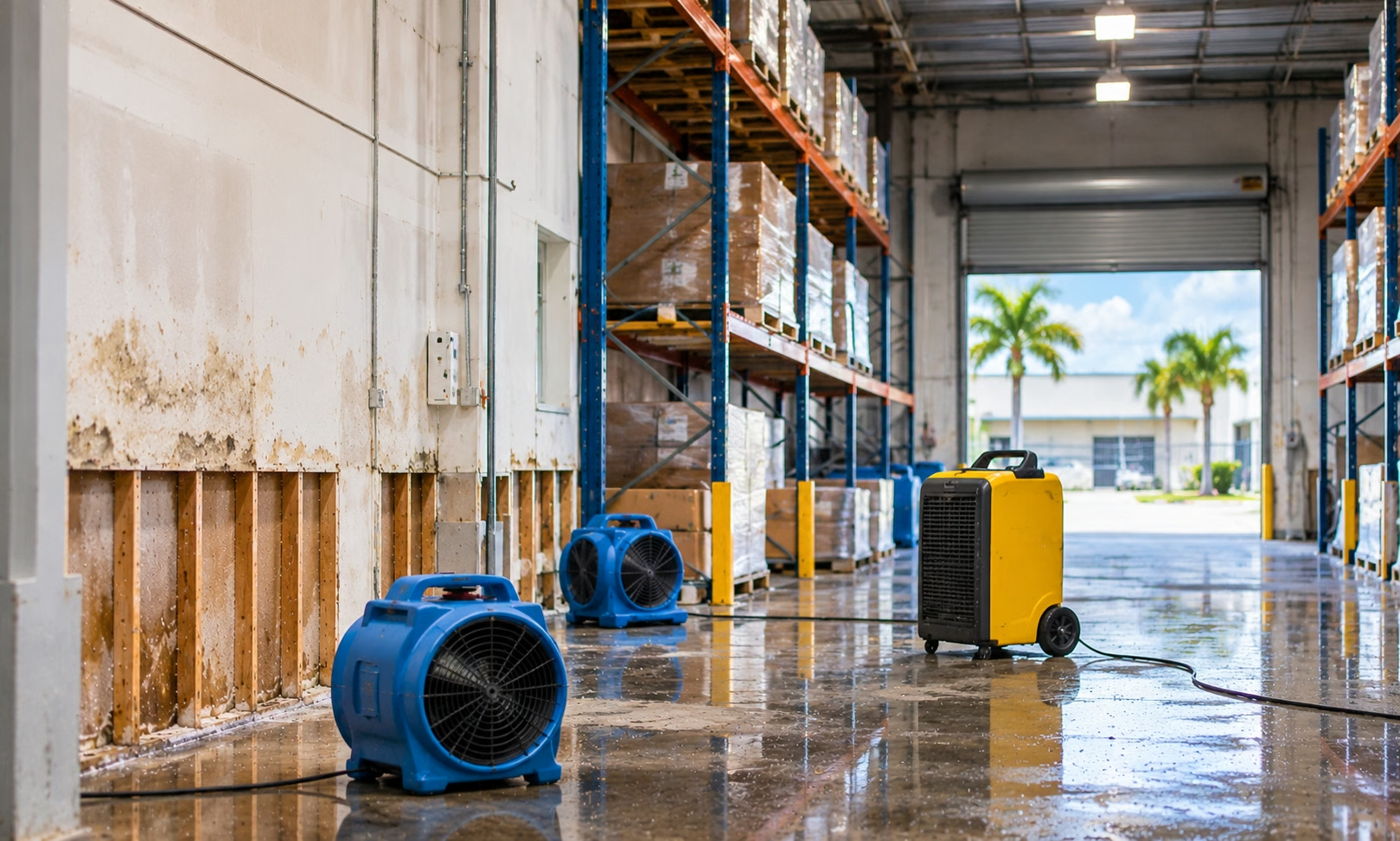
Carpet edges are lifted, padding is removed, and the subfloor is assessed with moisture detection equipment. Air movers and dehumidifiers are positioned to dry the carpet face fiber from above and the subfloor from below simultaneously. The carpet is cleaned and treated with antimicrobial solution before being re-laid over new padding once the subfloor is confirmed dry. Contact our water damage restoration services team immediately — every hour that passes after water intrusion narrows the window where carpeting can be saved. Read our post on mold prevention water damage for how fast extraction limits the mold risk that saturated carpet creates.
Can carpeting be saved after water damage — sometimes yes, always with the padding replaced, and never when black water or storm surge is involved. In Miami-Dade, where the climate closes the restoration window faster than most markets, professional assessment and extraction from the first hour are what determine the outcome.
Call us the moment damage occurs: 305-787-2260
Paul Davis Restoration of Miami Beach and Hialeah serves Miami Beach, Hialeah, Doral, Aventura, and surrounding Miami-Dade County communities.