Not all water damage is the same — and the type of water involved directly affects how restoration is approached, what safety protocols are required, and how quickly materials need to be addressed. From a clean pipe burst to black water damage restoration after sewage or storm flooding, Paul Davis Restoration of Miami Beach and Hialeah handles every category of water damage throughout Miami-Dade County.
What Types of Water Damage Do You Handle?
Category 1: Clean Water Damage
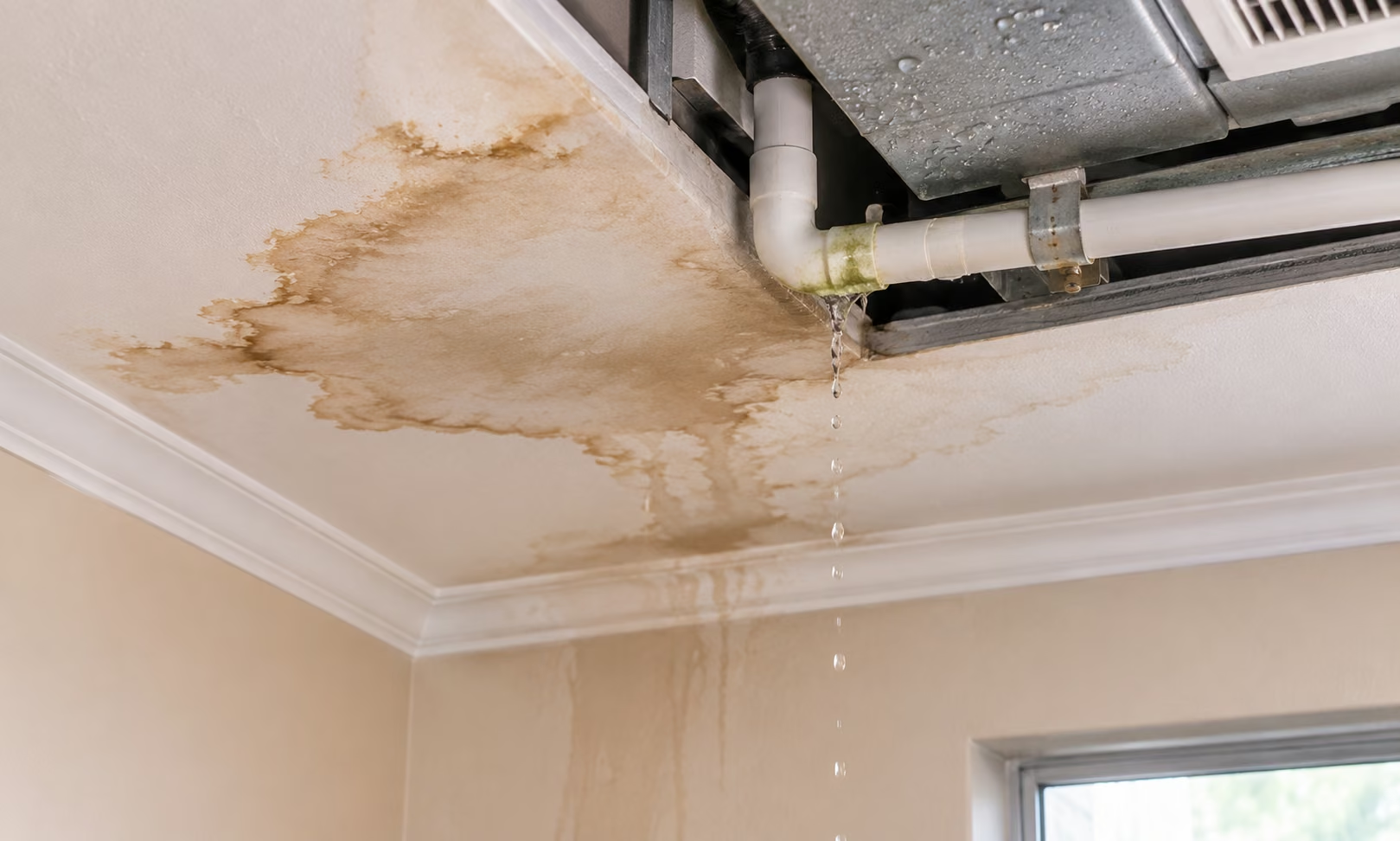
Clean water damage comes from a sanitary source — a burst supply line, a failed appliance connection, or an overflowing sink. At the point of entry, Category 1 water poses no immediate health risk, though it can degrade to a higher category if it contacts contaminated surfaces or sits long enough to support bacterial growth.
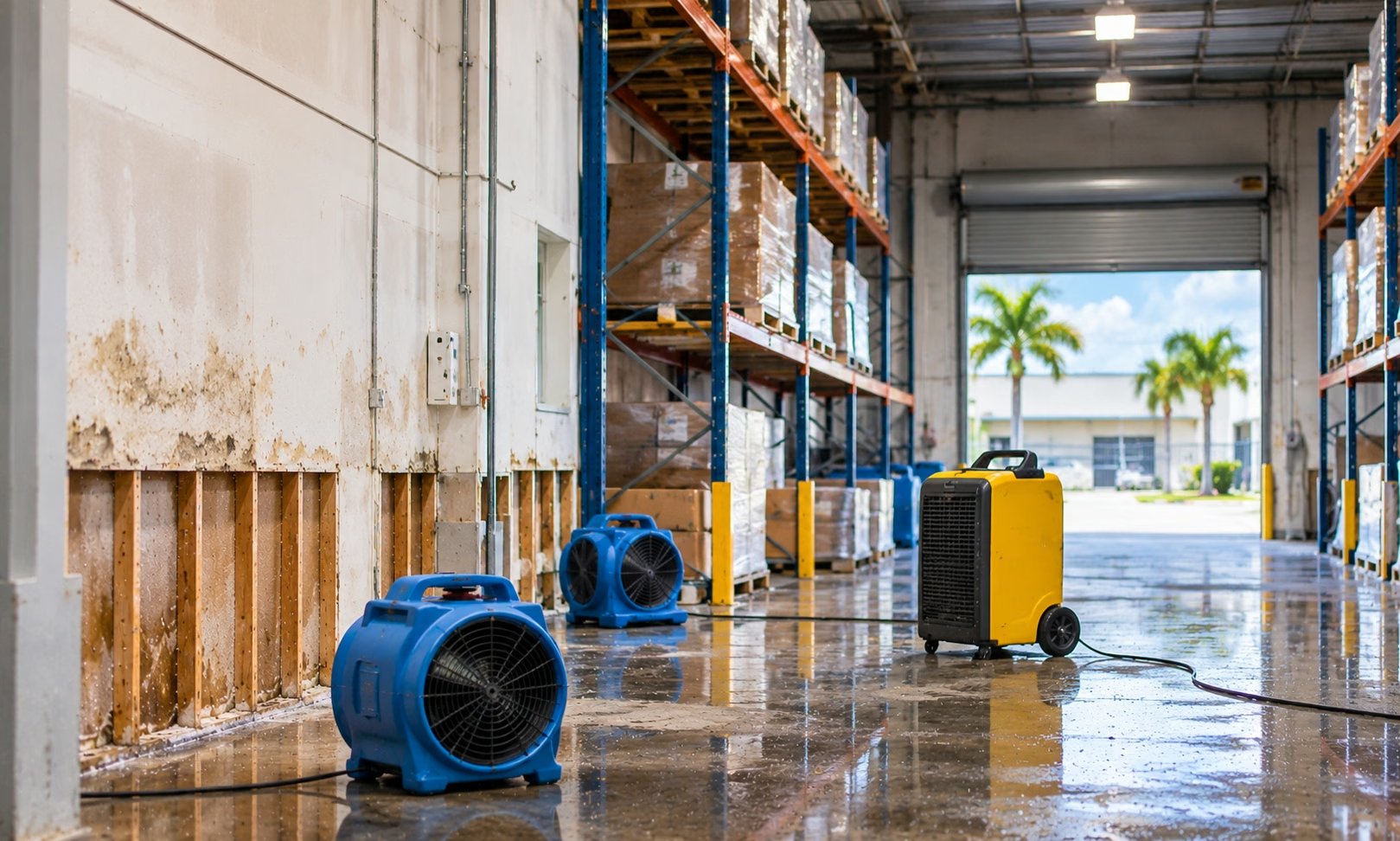
Restoration for clean water damage focuses on fast extraction and structural drying. In Miami-Dade’s climate, even clean water incidents carry mold risk within 24 to 48 hours if professional drying does not begin quickly. Read our post on what to do after water damage for the immediate steps that keep a clean water incident from escalating.
Category 2: Grey Water Damage
Grey water comes from sources that carry some level of contamination — dishwasher or washing machine overflow, aquarium leaks, or water that has passed over surfaces and picked up contaminants before entering the home. It is not immediately hazardous but does carry microorganisms that make direct contact inadvisable without protective equipment.
Restoration for grey water damage includes extraction, antimicrobial treatment of affected surfaces, and structural drying confirmed by moisture detection equipment. Porous materials that absorbed grey water — carpet padding, drywall — typically require removal rather than drying in place.
Category 3: Black Water Damage Restoration
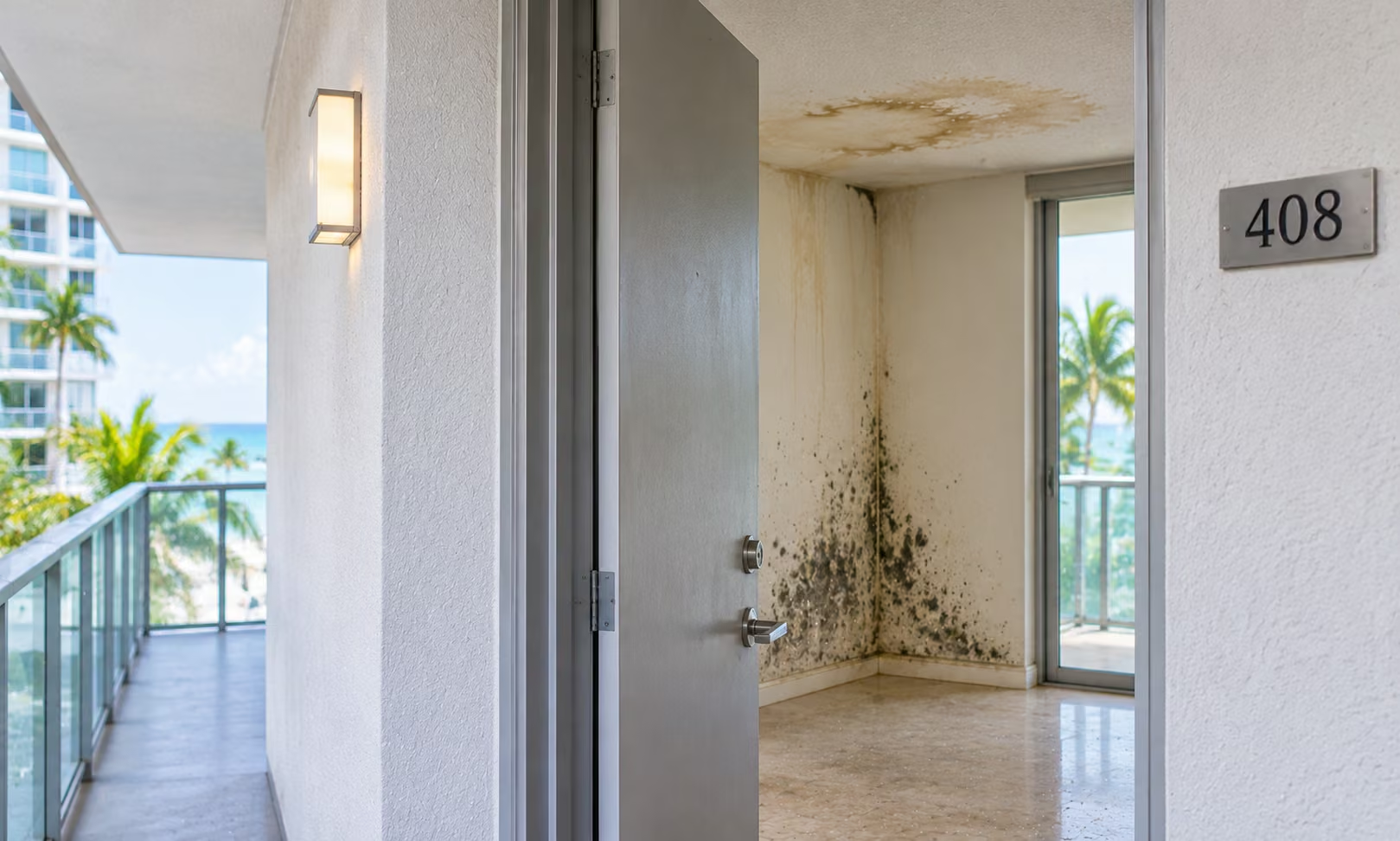
Black water damage restoration addresses the most serious category of water intrusion — water that is highly contaminated and poses direct health risk. Sources include sewage backups, floodwater that has contacted sewage systems, and storm surge that carries marine and environmental contaminants. Hurricane flooding in Miami-Dade frequently produces black water conditions when stormwater overwhelms drainage infrastructure and mixes with sewage lines.
Black water damage restoration requires full protective protocols — containment of the affected area, removal of all porous materials that contacted the water, antimicrobial treatment of structural surfaces, and air quality management throughout the process. No porous material that has absorbed black water can be dried and kept in place safely. Drywall, insulation, carpet, and flooring in affected areas are removed as part of the standard black water damage restoration process. Contact our water damage restoration services team immediately if sewage or floodwater has entered your home — delay increases both the health risk and the restoration scope.
Storm Flooding and Hurricane Surge
Storm flooding and hurricane surge are the most common sources of significant water damage in Miami-Dade — and they frequently produce Category 3 conditions given the contamination that stormwater carries. Saltwater surge adds a corrosion component that freshwater flooding does not — requiring additional cleaning of structural surfaces and accelerated assessment of electrical components and metal fasteners.
Read our post on how saltwater storm surge damages your home differently than rainwater flooding for a full breakdown of why surge requires a different restoration approach than standard flood damage.
Frequently Asked Questions
What is the most serious category of water damage? Category 3 — black water damage — is the most serious. It involves highly contaminated water from sewage, floodwater, or storm surge that poses direct health risk. Black water damage restoration requires full protective protocols, complete removal of all porous materials that contacted the water, and professional antimicrobial treatment of structural surfaces.
Does Paul Davis handle storm surge and hurricane flooding in Miami-Dade? Yes. Storm surge and hurricane flooding are among the most common water damage scenarios Paul Davis handles throughout Miami-Dade County. Our IICRC-certified team is experienced with both saltwater surge restoration and freshwater flood damage — including the contamination assessment, extraction, structural drying, and insurance documentation each requires.
How do I know what category of water damage I have? The source of the water is the primary indicator — clean supply lines produce Category 1, grey water sources produce Category 2, and sewage or floodwater produces Category 3. However, water category can escalate quickly as water contacts contaminated surfaces — which is why professional assessment is the most reliable way to confirm the category and define the appropriate restoration approach.
Pipe Bursts and Appliance Failures
Burst pipes and appliance failures are the most common non-storm water damage sources in Miami-Dade homes. They typically produce Category 1 conditions at the source but can affect large areas quickly — particularly in multi-story homes where water travels through floor assemblies to levels below. Fast shutoff and immediate professional response limit scope significantly in these incidents. Our mold damage removal services address mold that develops when pipe burst incidents are not caught quickly enough.
From clean pipe bursts to black water damage restoration after hurricane flooding, Paul Davis handles every category of water damage in Miami-Dade with IICRC-certified technicians, commercial-grade equipment, and 24/7 emergency response.
Call us the moment damage occurs: 305-787-2260
Paul Davis Restoration of Miami Beach and Hialeah serves Miami Beach, Hialeah, Doral, Aventura, and surrounding Miami-Dade County communities.