Your roof is the first thing a hurricane hits and the last thing you want failing mid-storm. In South Florida, where major hurricanes can bring sustained winds exceeding 100 mph, even a small roofing deficiency can escalate into catastrophic interior damage within minutes of a storm making landfall. A professional roof inspection before hurricane season is one of the most important — and most overlooked — steps a Miami Beach or Hialeah homeowner can take.
Here’s why it matters and what an inspection should cover.
What a Pre-Season Roof Inspection Actually Looks For
A general roof inspection and a pre-hurricane roof inspection are not the same thing. A hurricane-focused inspection looks specifically for vulnerabilities that become critical under high wind and heavy rainfall conditions.
That includes loose or lifting shingles that can be torn off in sustained winds, damaged or deteriorating flashing around chimneys, vents, and skylights where wind-driven rain enters, compromised soffits and fascia that hold the roofline together under lateral wind pressure, and any areas where the roof deck may have weakened from previous water intrusion or age.
For flat and low-slope roofs — common in Miami Beach and Hialeah — drainage is an additional concern. Standing water during a hurricane adds significant weight to a flat roof and can accelerate structural failure. An inspector should confirm that drains and scuppers are clear and functioning.
Age and Building Code Matter More Than Most Homeowners Realize
Miami-Dade County has some of the strictest hurricane building codes in the country, introduced largely in response to the widespread destruction caused by Hurricane Andrew in 1992. Homes built or re-roofed after those code updates were constructed to withstand significantly higher wind loads than older properties.
If your home was built before the mid-1990s and the roof hasn’t been replaced since, there’s a real possibility it doesn’t meet current wind resistance standards. That doesn’t mean it will fail — but it does mean a pre-season inspection is more critical, not less.
Frequently Asked Questions
How often should a roof be inspected in South Florida?
At minimum, once a year — and the start of hurricane season is the ideal time. If your area experienced a named storm or significant rainfall the previous season, an additional inspection afterward is worthwhile. Roofs in South Florida face more wear from UV exposure, heat, and humidity than in most other regions, which accelerates deterioration between major storms.
What are the most common roof vulnerabilities found before hurricane season?
Loose or lifting shingles, damaged flashing around vents and chimneys, deteriorating sealants, clogged drains on flat roofs, and weakened soffits and fascia are the most frequently identified issues in pre-season inspections. Many of these are inexpensive to fix before a storm but become major damage pathways during one.
Does a new roof mean I don’t need a pre-season inspection?
Not necessarily. Even newer roofs should be checked for installation issues, storm damage from the previous season, and debris accumulation around drains and vents. A roof installed correctly and in good condition still benefits from a quick pre-season check — particularly if it’s the first hurricane season since installation.
The Cost of Skipping an Inspection
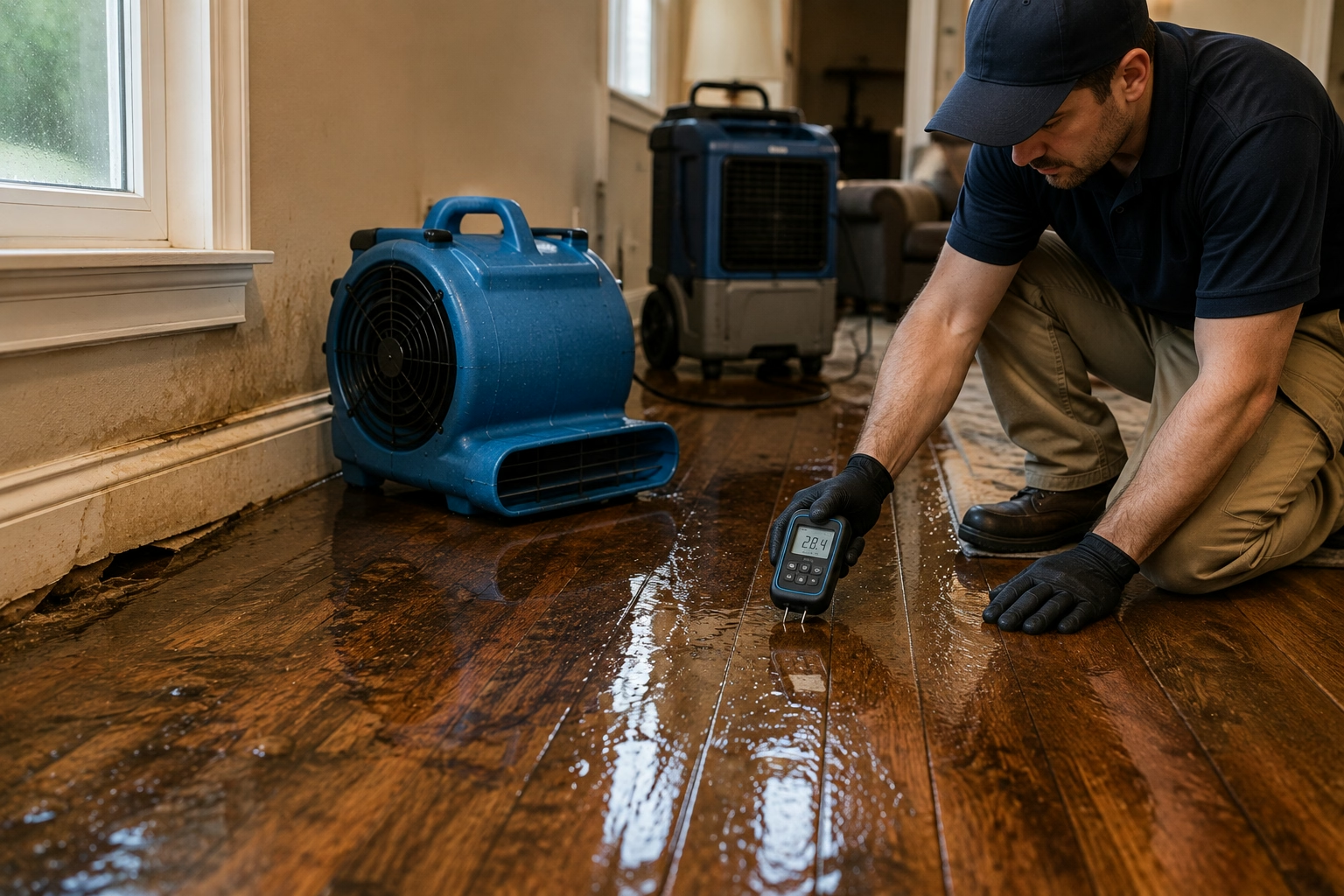
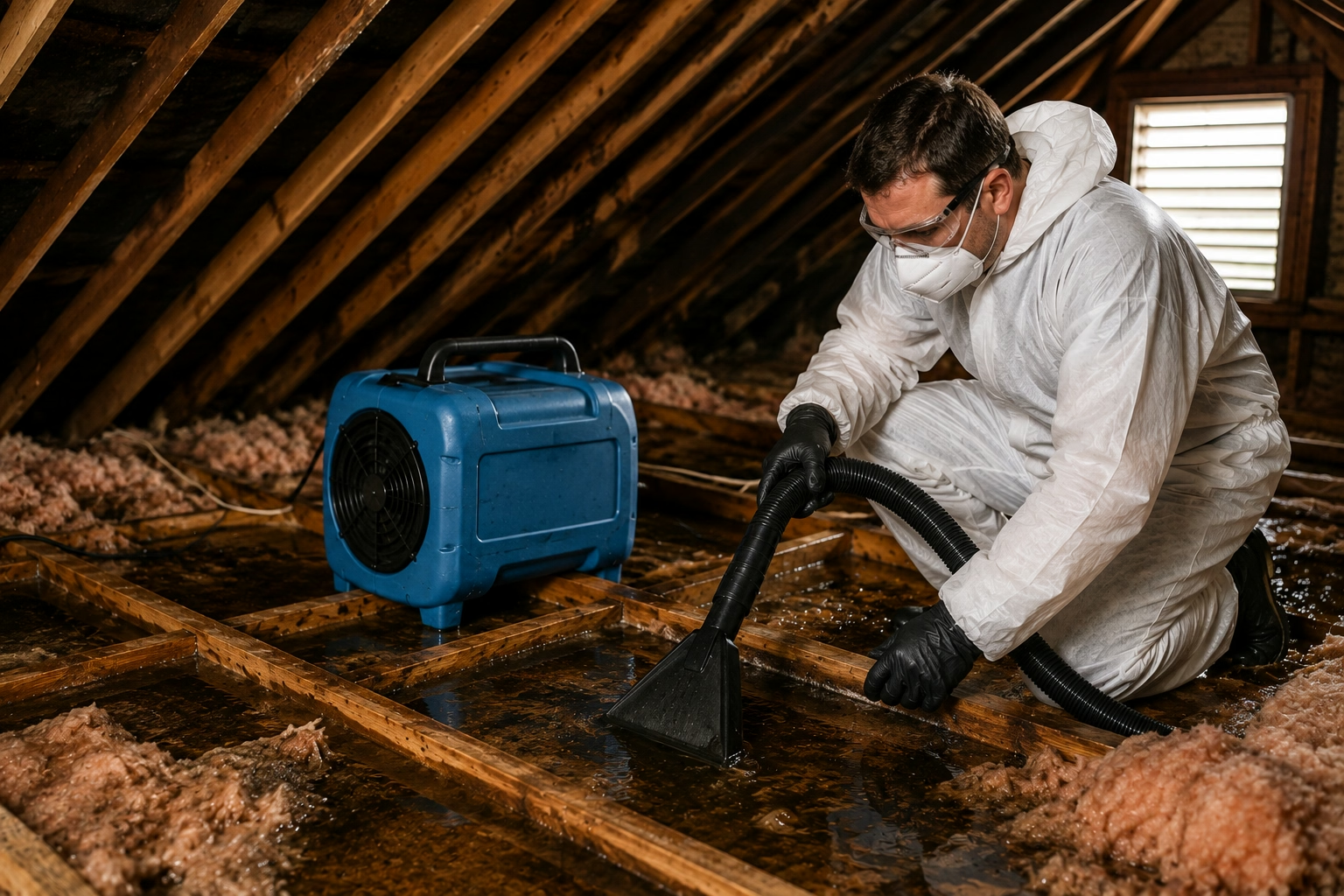
A roof inspection before hurricane season typically costs a few hundred dollars. The cost of an undetected vulnerability during a hurricane can run into tens of thousands — water damage to ceilings, walls, insulation, flooring, and personal belongings compounds quickly once a roof is breached, and mold can begin developing within 24 to 48 hours of water intrusion in South Florida’s humidity.
Roof repairs identified before storm season can almost always be addressed at a normal pace and cost. The same repairs identified after a hurricane — when every contractor in South Florida is booked and materials are scarce — cost significantly more and take far longer.
Paul Davis Restoration of Miami Beach and Hialeah includes roof vulnerability assessment as part of our complimentary pre-season property walkthroughs. We also recommend reading about how to protect your roof during hurricane season for additional steps you can take once an inspection is complete.
If a storm does cause roof damage, our team is available 24/7 for emergency tarping and full restoration services.
Schedule your pre-season walkthrough today: 305-787-2260
Paul Davis Restoration of Miami Beach and Hialeah serves Miami Beach, Hialeah, Doral, Aventura, and surrounding South Florida communities.