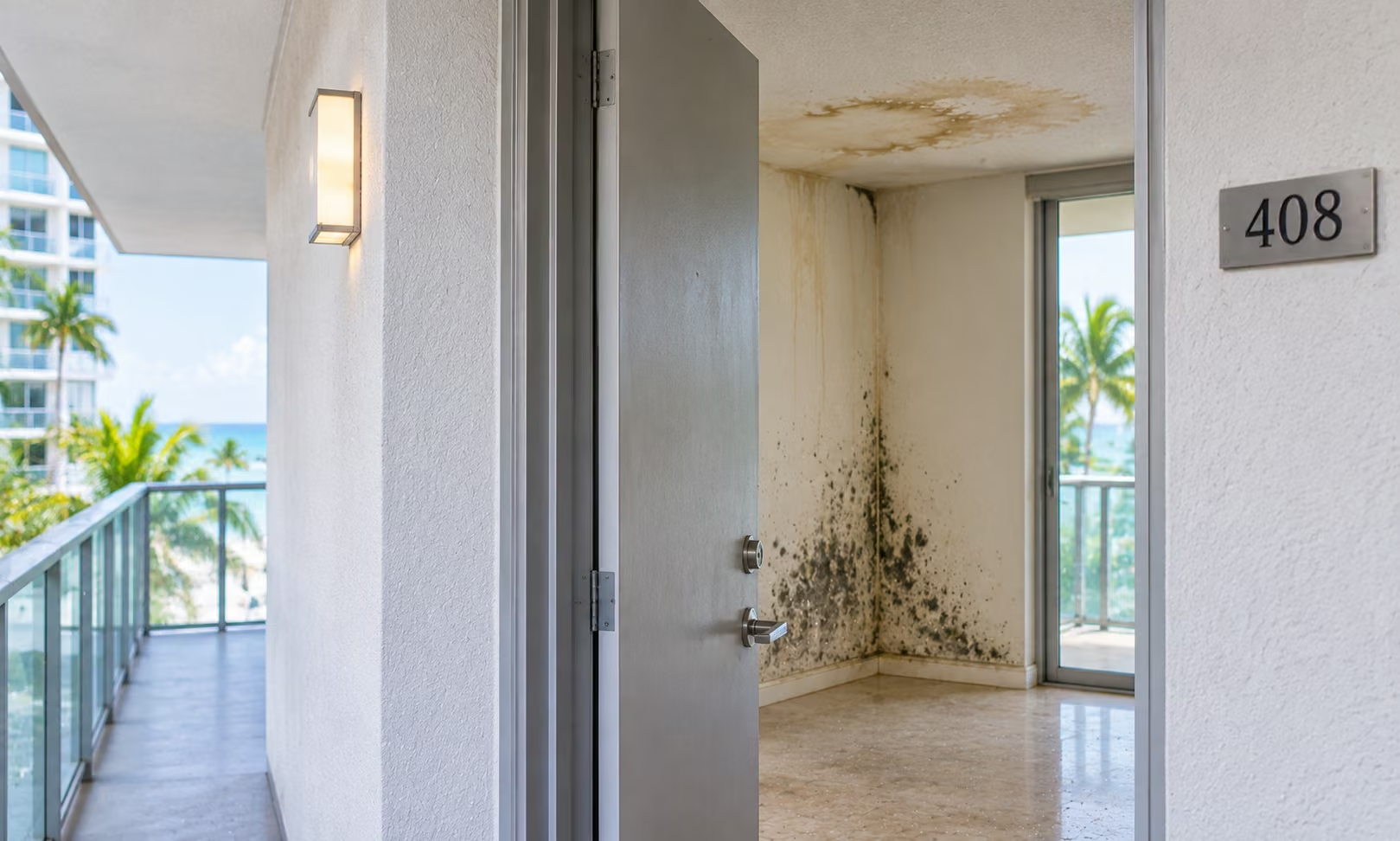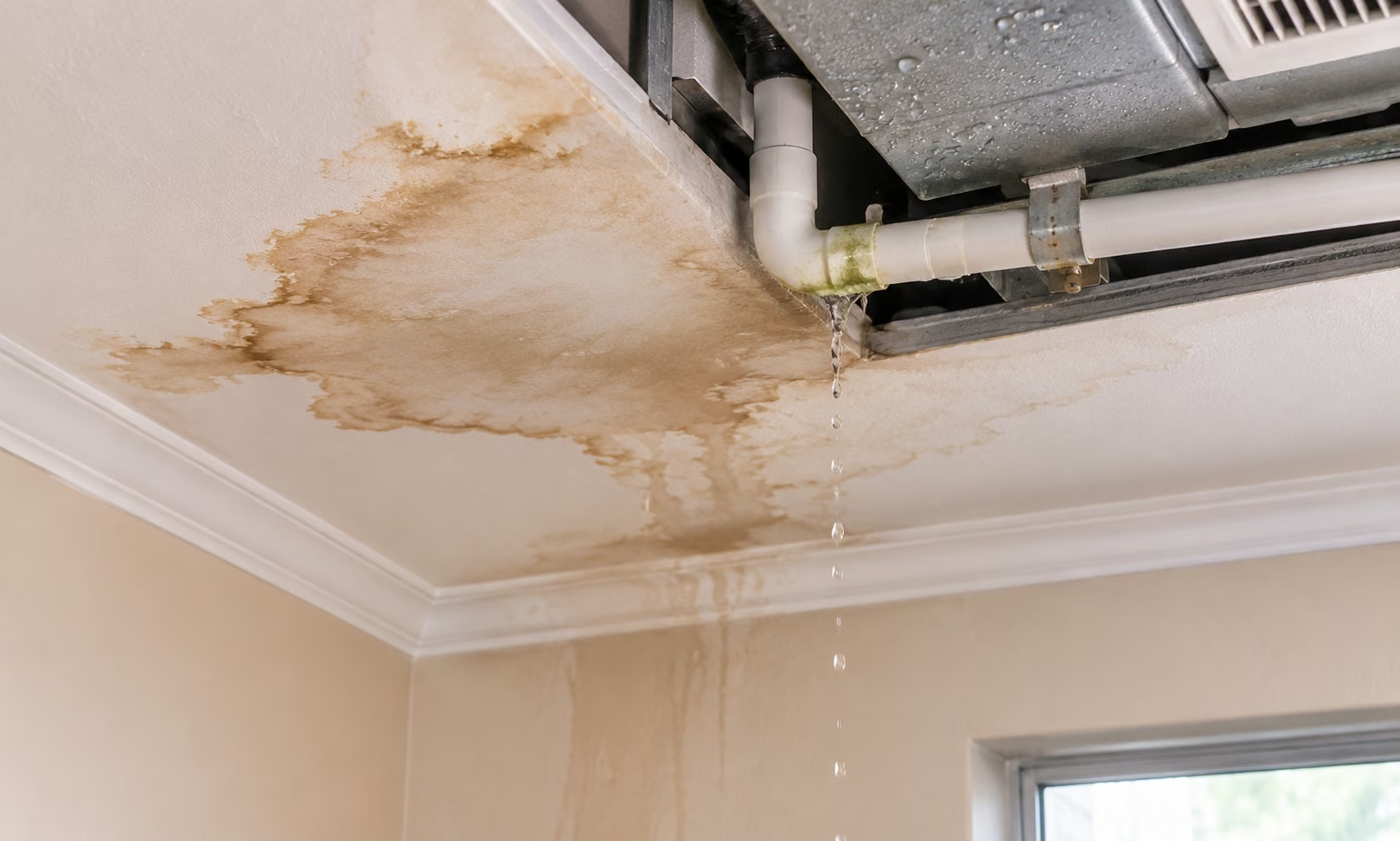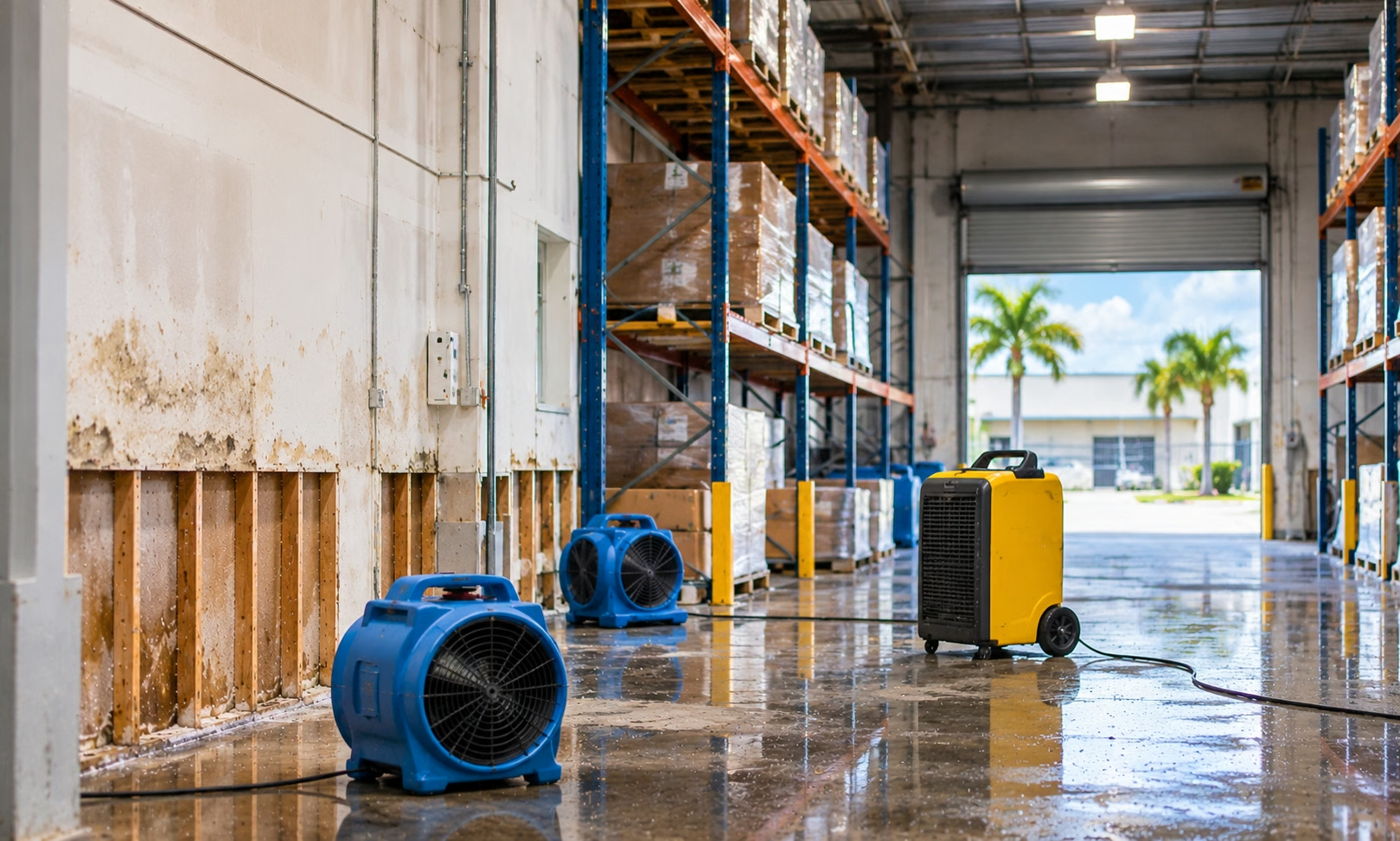
What can be saved after mold damage is the first question most Miami-Dade homeowners ask when they discover mold in their home. The answer is not straightforward — it depends on the material, how deeply mold has penetrated, the water category that caused it, and critically, how quickly professional assessment begins. What can be saved after mold damage shrinks significantly with every hour that passes without professional intervention in Miami-Dade’s climate.
What Can Be Saved After Mold Damage: The Core Rule
The foundation of every professional assessment is this: non-porous materials where mold sits on the surface can often be cleaned. Porous materials where mold has penetrated inside the structure of the item almost always need to be discarded. According to the EPA’s mold remediation guidance, surface cleaning of porous mold-affected materials does not eliminate the contamination and will not prevent mold from returning.
Which Items Can Typically Be Saved?
Hard-surface items with non-porous finishes — sealed tile, glass, metals, ceramics, hard plastics — are the best candidates. Clothing with surface mold can often be restored through professional textile cleaning, not household washing. Documents and photographs can be stabilized and digitized through professional conservation processes when treatment begins fast. Sealed wood furniture with surface mold on the finish layer can sometimes be cleaned before penetration reaches the wood grain. Read our post on mold remediation in Miami-Dade to understand how the full remediation process handles both structural materials and contents.
What Cannot Be Saved After Mold Damage?
Drywall, insulation, carpet padding, and particleboard that absorbed mold cannot be cleaned to a safe standard. Mattresses and pillows absorb mold compounds into foam and fill that professional cleaning cannot fully address. Any item contacted by Category 3 black water containing sewage or storm surge is discarded regardless of visible mold because the contamination goes beyond fungal growth. Items showing structural softening, complete face saturation, or heavy visible mold throughout the material are not candidates for restoration.
Every Hour You Wait, the List of What Can Be Saved Gets Shorter
In Miami-Dade’s heat and humidity, mold penetrates porous materials faster than almost anywhere else in the country. An item that could be saved with professional treatment today may be unrestorable by tomorrow. Do not attempt to clean mold contaminated items with bleach or household products — this spreads spores and embeds contamination deeper. Call Paul Davis Restoration of Miami Beach and Hialeah now. Contact our mold damage removal services team for immediate professional assessment throughout Miami-Dade County.
Frequently Asked Questions
Can bleach clean mold contaminated items?
Bleach kills surface mold on non-porous items but does not penetrate porous materials where mold root structures have established. Using bleach on porous mold contaminated items cleans the surface appearance while leaving the contamination intact — and the water component of bleach adds additional moisture that accelerates mold regrowth.
How do I know if an item is too mold contaminated to save?
Visible mold penetrating through fabric or wood grain, a persistent musty odor after surface cleaning, structural softening of the material, and complete saturation of foam or fill are all indicators the contamination has gone too deep for surface treatment. Professional assessment is the only reliable way to confirm this for individual items.
Does insurance cover items lost to mold damage in Miami-Dade?
Coverage depends on the cause of the mold and your specific policy. Mold resulting from a covered event such as a roof breach is typically included in the claim. Document all mold contaminated items before disposal and report the full contents scope to your insurer with professional documentation from the restoration team.
Call us before you discard anything: 305-787-2260
Paul Davis Restoration of Miami Beach and Hialeah serves Miami Beach, Hialeah, Doral, Aventura, and surrounding Miami-Dade County communities.