After a storm rolls through Miami Beach or anywhere in South Florida, one of the most urgent things a homeowner may need to deal with is a damaged roof. Whether wind lifted shingles, flying debris punched through the surface, or a tree branch came down and caused a breach, an exposed roof is an open door for more water to enter your home.
Roof tarping is the immediate step taken to cover that opening and prevent additional damage while permanent repairs are arranged. It’s a temporary solution, but when it’s done quickly and correctly, it can protect everything underneath — your ceilings, walls, insulation, flooring, and belongings — from the rain that often follows storm damage.
If your roof has been damaged in a storm, understanding how tarping works, why it matters, and when to call for help will put you in a much better position to protect your home and your insurance claim.
Why Tarping a Roof After Storm Damage Matters
A damaged roof doesn’t give you much time. South Florida’s weather is unpredictable, and another round of rain can arrive quickly after a storm — sometimes within hours. Every opening in your roof is a direct path for water to enter the structure and work its way into your home.
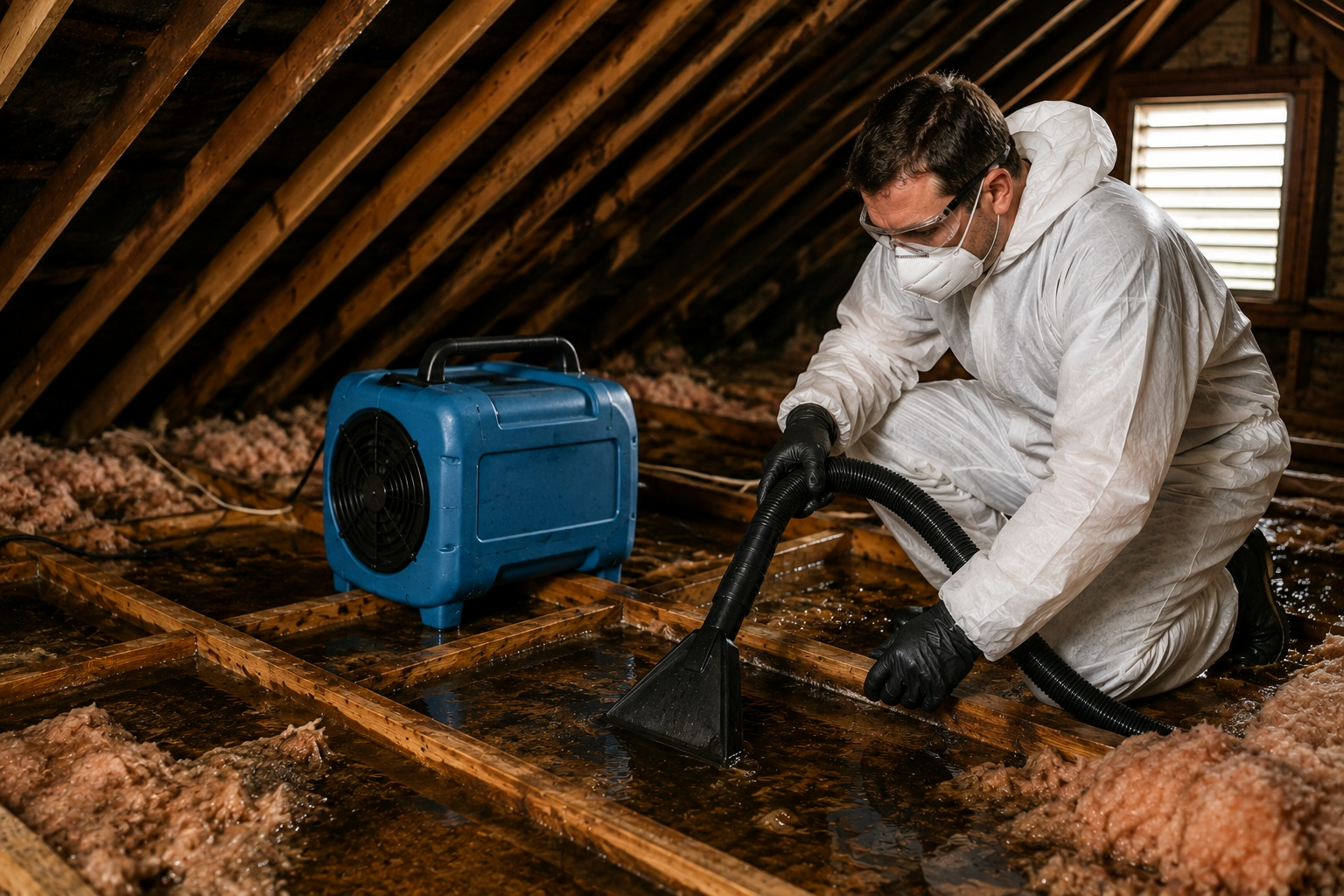
Water that gets in through an exposed roof can saturate insulation, soak into drywall, and reach the wood framing that holds your home together. Once framing gets wet and stays wet, it can begin to rot. Once insulation absorbs water, it loses its function and becomes a breeding ground for mold.
In Miami Beach’s warm and humid climate, mold can begin developing within 24 to 48 hours of a water intrusion event. That timeline makes the hours right after storm damage critical. A properly installed tarp buys you the time you need to get a roofing contractor and a restoration team on-site without the interior of your home taking on additional water in the meantime.
Tarping also matters for your insurance claim. Most homeowner’s insurance policies include a requirement that you take reasonable steps to prevent further damage after a covered event. A tarp installed promptly is considered mitigation — it shows the insurance company you acted responsibly to limit the loss.
How Storm Damage Opens a Roof
Roof damage happens in several ways during a storm, and not all of it is immediately obvious from the ground.
Wind Damage
High winds can lift and tear away shingles, pull up flashing along ridges and edges, and in severe cases, remove entire sections of roofing material. When shingles are lifted or missing, the underlayment and decking beneath them are exposed to rain.
Impact Damage
Debris carried by wind — branches, roof tiles from neighboring properties, lawn furniture, and other objects — can puncture or crack roofing materials and create direct openings into the structure.
Tree Damage
A falling tree or large branch is one of the more serious causes of roof damage during a storm. Depending on the size and angle of impact, it can cause significant structural damage in addition to opening the roof to water.
Flashing Failure
Flashing is the metal edging around chimneys, vents, skylights, and roof joints. Storm winds and debris can loosen or displace flashing, creating gaps where water can enter even if the main roofing material is intact.
Flat Roof Pooling
Many commercial properties and some residential buildings in South Florida have flat or low-slope roofs. These are vulnerable to water pooling when drains become clogged with storm debris, and standing water can find seams and entry points that sloped roofs would normally shed.
What Roof Tarping Involves
A roof tarp is a heavy-duty polyethylene or poly-woven cover that is secured over the damaged area of a roof to block rain and debris from entering through the opening. When done properly, it covers the damaged section and extends well beyond the edges to prevent wind and rain from getting underneath.
The tarp is typically secured using wooden boards or battens along the edges, which are nailed or screwed into the roof decking. This keeps the tarp from lifting in the wind and ensures it stays in place until permanent repairs can be made. Simply weighting the edges or using light tape is not sufficient for South Florida conditions, where post-storm weather can still be gusty.
A good tarp installation also accounts for the slope of the roof, the direction of rain, and any remaining structural vulnerabilities in the damaged area. It is not just a matter of laying a cover over the hole — it needs to be positioned and secured in a way that actually keeps water out.
Why This Is Not a DIY Job
It’s natural to want to get up on the roof and handle the problem yourself, especially when you’re watching water drip into your home. But roof tarping after storm damage carries real risks that are worth understanding before you reach for a ladder.
Storm-damaged roofs are unstable. The same event that tore away shingles or caused a breach may have also weakened the decking, shifted structural components, or left debris on the surface that creates slip hazards. What looks solid from below may not hold weight safely above.
Working at height on a damaged, potentially wet roof surface without the proper safety equipment is genuinely dangerous. Falls from roofs are among the most common causes of serious injury during storm recovery.
Beyond safety, improper tarping can create additional problems. A tarp that isn’t secured correctly can lift in the wind and cause further damage to the roof or to neighboring property. A tarp that doesn’t extend far enough beyond the damaged area may funnel water into the breach rather than away from it.
Professional storm response teams have the equipment, training, and experience to assess the roof safely, identify all the areas that need to be covered, and install a tarp that will actually hold until permanent repairs are completed.
What Happens During Professional Roof Tarping
When a professional team arrives to tarp a storm-damaged roof, the process is methodical and focused on stopping further damage while keeping the crew safe.
Step 1: Damage Assessment
The team evaluates the full extent of the roof damage — not just the visible breach but also the surrounding area for any additional weaknesses, missing shingles, or displaced flashing that could allow water entry.
Step 2: Debris Removal
Loose debris on the roof — broken branches, shingle fragments, displaced materials — is cleared to create a safe working surface and to allow for accurate damage documentation.
Step 3: Measuring and Cutting the Tarp
The tarp is sized to cover the damaged section with adequate overlap — typically extending several feet beyond the damaged area on all sides to account for wind-driven rain and to ensure complete coverage.
Step 4: Securing the Tarp
The tarp is laid over the damaged area and secured using wooden boards along the edges, which are fastened into the roof decking. The goal is a tarp that won’t lift, shift, or channel water in the wrong direction during subsequent rain events.
Step 5: Documentation
Photos and written documentation of the damage and the tarp installation are taken for insurance purposes. This record is important when filing or supporting a claim for storm damage.
Why Professional Services Matter After Storm Damage
After a significant storm, roofing companies and restoration teams are in high demand. It can be tempting to try to handle tarping yourself while you wait for a professional — but the risks, both physical and financial, make it worth waiting for trained help or calling a restoration company that offers emergency response.
Beyond tarping, a professional storm damage team can assess whether water has already entered the structure, identify any interior damage that needs to be addressed immediately, and begin the mitigation process before additional rain makes things worse.
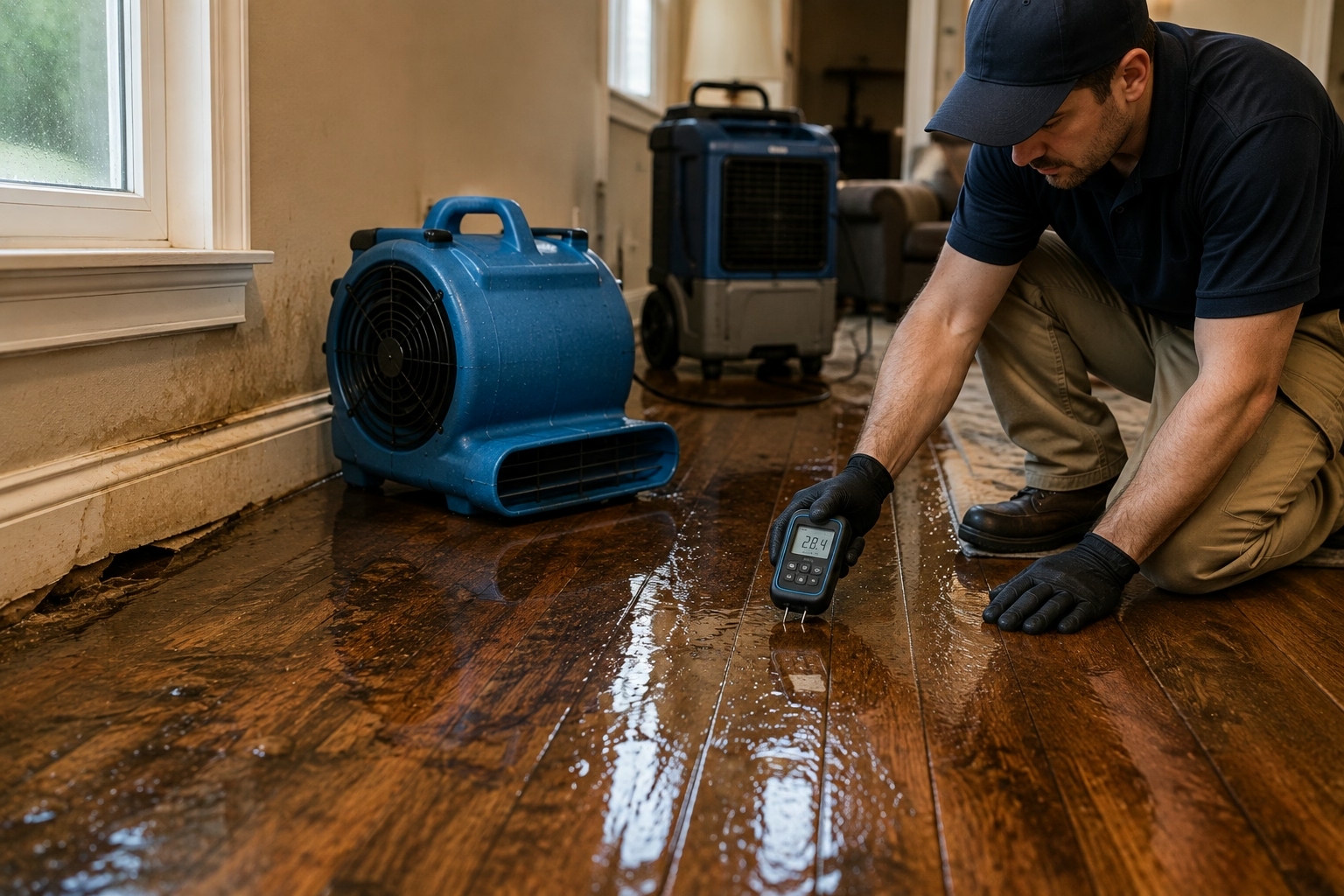
If water has already entered your home through the roof, it needs to be extracted and dried properly — not just mopped up on the surface. Moisture that reaches insulation, framing, or flooring requires professional drying equipment to address completely.
When to Call for Emergency Roof Tarping
You should call for emergency tarping services any time your roof has been visibly breached by storm damage. That includes missing or lifted shingles over a large area, visible holes or openings in the roof surface, structural damage from falling trees or debris, or any situation where water is actively entering your home through the ceiling or upper walls.
Even if rain has stopped and the immediate emergency seems to have passed, an exposed roof in South Florida is always at risk of the next weather event. Don’t wait for the next rainstorm to confirm that the damage is real.
If you’re unsure whether your roof was damaged, look for water stains on ceilings, wet insulation in the attic, or daylight visible through the attic ceiling — any of these signals a breach that needs to be addressed.
Frequently Asked Questions
How long can a roof tarp stay in place?
A properly installed roof tarp can hold for several weeks to a few months depending on weather conditions. It is a temporary solution and should be replaced with permanent repairs as soon as possible.
Does insurance cover roof tarping after storm damage?
Many homeowner’s insurance policies cover emergency tarping as part of the storm damage claim, since it qualifies as mitigation to prevent further loss. Keep all receipts and documentation of the work performed.
Can I tarp my roof myself?
While it is physically possible, it carries significant safety risks and may not result in an installation that actually protects your home effectively. Professional installation is strongly recommended, especially after major storm events.
What size tarp do I need for roof damage?
The tarp should extend at least three to four feet beyond the damaged area on all sides. A professional team will measure and size the tarp appropriately based on the specific damage.
How do I know if my roof was damaged in a storm?
Look for missing or lifted shingles visible from the ground, water stains on interior ceilings, wet spots in the attic, or daylight visible through the attic above. A professional roof inspection can identify damage that isn’t visible from the ground.
What happens if I don’t tarp my roof after storm damage?
Every subsequent rain event will push additional water into the structure through the breach. This accelerates damage to insulation, drywall, framing, and flooring, increases the risk of mold growth, and may affect your ability to recover the full extent of your loss through insurance.
A Team You Can Trust
Paul Davis Restoration of Miami Beach & Hialeah provides emergency roof tarping and storm damage response throughout Miami Beach and the surrounding South Florida communities. Our team is available 24/7 and responds quickly after storm events to assess damage, install temporary protection, and begin the mitigation process before additional rain can make things worse.
We document everything from the start — damage photos, moisture readings, and records of work completed — so you have a clear, organized file to support your insurance claim.
Storm damage moves fast, and so do we. If your roof has been damaged, don’t wait to get protection in place.
Call Us 24/7 for Emergency Roof Tarping: 305-787-2260
Paul Davis Restoration of Miami Beach & Hialeah serves Miami Beach, Hialeah, Doral, Aventura, and surrounding South Florida communities.