Signs of hidden water damage include musty odors, discoloration on walls or ceilings, peeling paint, warped flooring, and unexplained increases in water bills. Identifying these early can help prevent costly structural damage and mold growth.
Water damage isn’t always obvious. In many cases, moisture builds up slowly behind walls, beneath flooring, or inside ceilings where it cannot be easily seen.
Because of this, homeowners may not realize there is a problem until visible damage begins to appear. By that point, the issue may already be more serious and costly to repair.
Understanding the early warning signs of hidden water damage can help you act quickly, reduce damage, and protect both your property and indoor environment.
Why Hidden Water Damage Is a Serious Problem
Hidden water damage can quietly impact multiple parts of a home over time. Unlike sudden flooding or visible leaks, this type of damage develops gradually and often goes unnoticed.
Moisture trapped within building materials can weaken drywall, compromise insulation, and lead to wood rot in structural components. Over time, this can affect the integrity of walls, ceilings, and flooring systems.
Another major concern is indoor air quality. Damp environments create conditions where mold and mildew can thrive, potentially affecting the air you breathe.
Because the damage spreads slowly, it often becomes more extensive—and more expensive—before it is discovered. Addressing it early is one of the most effective ways to minimize long-term repair costs.
Musty Odors That Don’t Go Away
A persistent musty smell is often one of the first signs of hidden water damage.
This odor is typically caused by moisture buildup or mold growth in areas that are not visible, such as behind drywall, under carpets, or inside cabinets and closets.
Even if the space appears clean, a lingering odor may indicate that moisture is trapped somewhere within the structure.
The smell may be stronger in enclosed spaces or after periods of high humidity.
Because odors can travel through walls and ventilation systems, the source of the smell may not always be located in the area where it is most noticeable.
Ignoring this sign can allow moisture problems to continue and worsen over time.
Stains or Discoloration on Walls and Ceilings
Water damage often becomes visible through stains or discoloration on interior surfaces.
These stains may appear as yellow, brown, or dark patches and can vary in size depending on how long the moisture has been present.
In many cases, the stains may gradually expand or darken over time, indicating ongoing moisture exposure.
Ceiling stains are often associated with roof leaks or plumbing issues in upper levels, while wall discoloration may point to hidden leaks inside the structure.
Even small or faint discoloration should not be ignored, as it may signal a larger hidden issue behind the surface.
Peeling Paint or Bubbling Wallpaper
Moisture trapped behind walls can weaken the bond between paint or wallpaper and the underlying surface.
As a result, paint may begin to peel, bubble, crack, or blister. Wallpaper may loosen, curl at the edges, or separate entirely from the wall.
These changes are often gradual and may initially appear as minor cosmetic issues.
However, they are frequently a sign that moisture is affecting the wall structure beneath the surface.
If left unaddressed, the problem can spread and lead to further deterioration of the wall materials.
Warped or Buckling Flooring
Water damage can significantly affect flooring materials, especially wood, laminate, and engineered flooring.
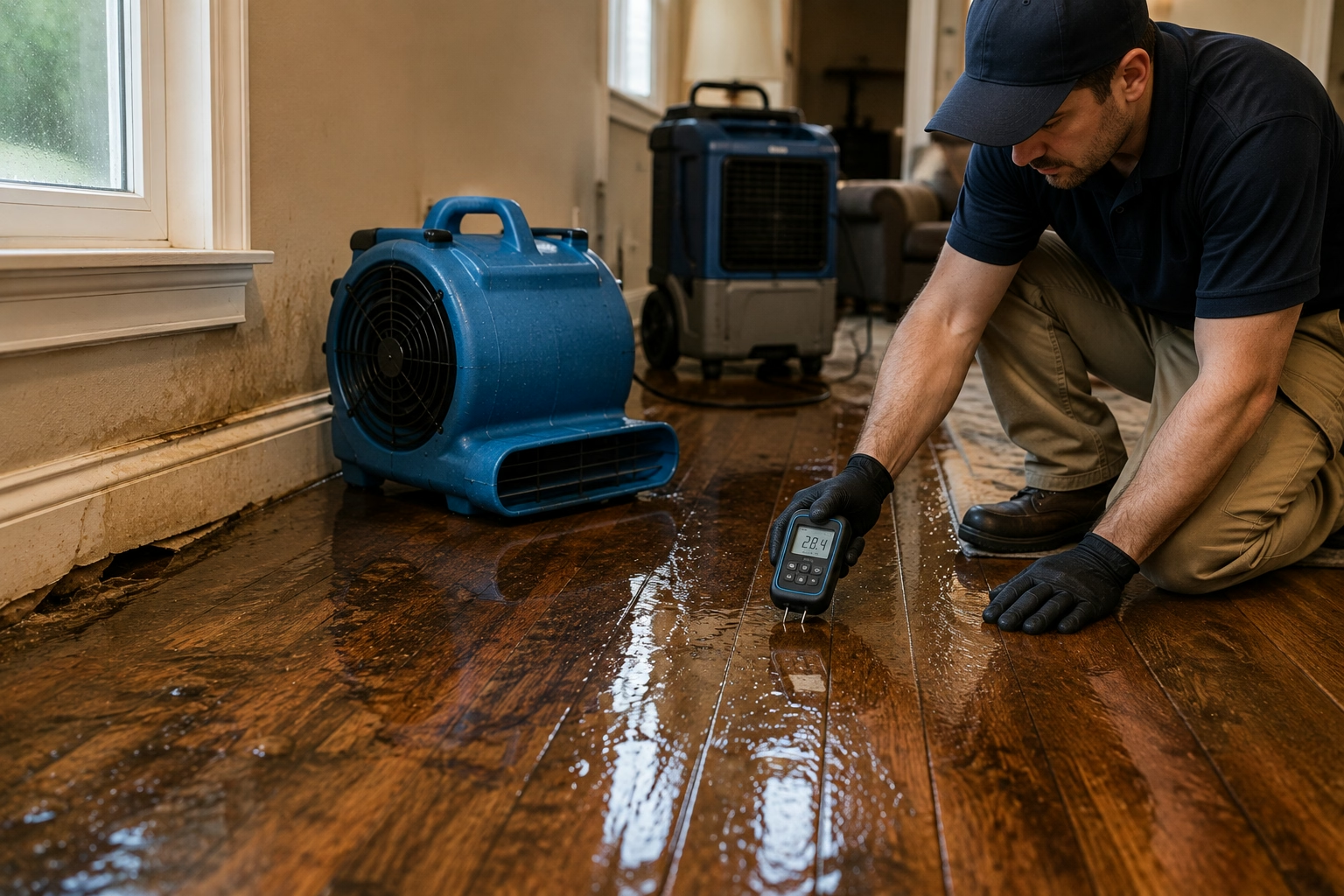
When moisture is present beneath the surface, flooring may begin to warp, cup, or buckle. In some cases, boards may lift or separate from each other.
You may also notice areas that feel uneven, soft, or spongy when walked on.
These changes often indicate that water has penetrated beyond the surface layer and into the subfloor.
If not addressed, this can lead to structural damage and may require more extensive repairs.
Unexplained Increase in Water Bills
An unexpected rise in your water bill can sometimes be an early indicator of a hidden leak.
Leaks within walls, under floors, or in plumbing systems can go unnoticed while continuously wasting water.
Because these leaks are not always visible, monitoring your water usage can help identify potential problems.
Even a slow, steady leak can result in significant water loss over time.
If your water bill increases without a clear explanation, it may be worth investigating further to rule out hidden water damage.
Mold Growth in Unusual Areas
Mold growth is a strong indicator that moisture has been present for an extended period.
While mold can sometimes be visible, it often develops in hidden areas such as behind walls, under carpets, or inside ventilation systems.
You may notice small patches of discoloration, dark spots, or fuzzy growth on surfaces where moisture should not normally be present.
In addition to property damage, mold can affect indoor air quality and create unpleasant odors.
Because mold spreads quickly in damp conditions, addressing it early is essential to prevent further contamination.
What to Do If You Suspect Hidden Water Damage
If you notice any signs of hidden water damage, taking prompt action is important.
Delaying repairs can allow moisture to spread, increasing both the extent of the damage and the cost of restoration.
A professional inspection can help identify the source of the problem and determine how far the damage has spread.
Specialized tools such as moisture meters and thermal imaging cameras are often used to detect water in areas that are not visible.
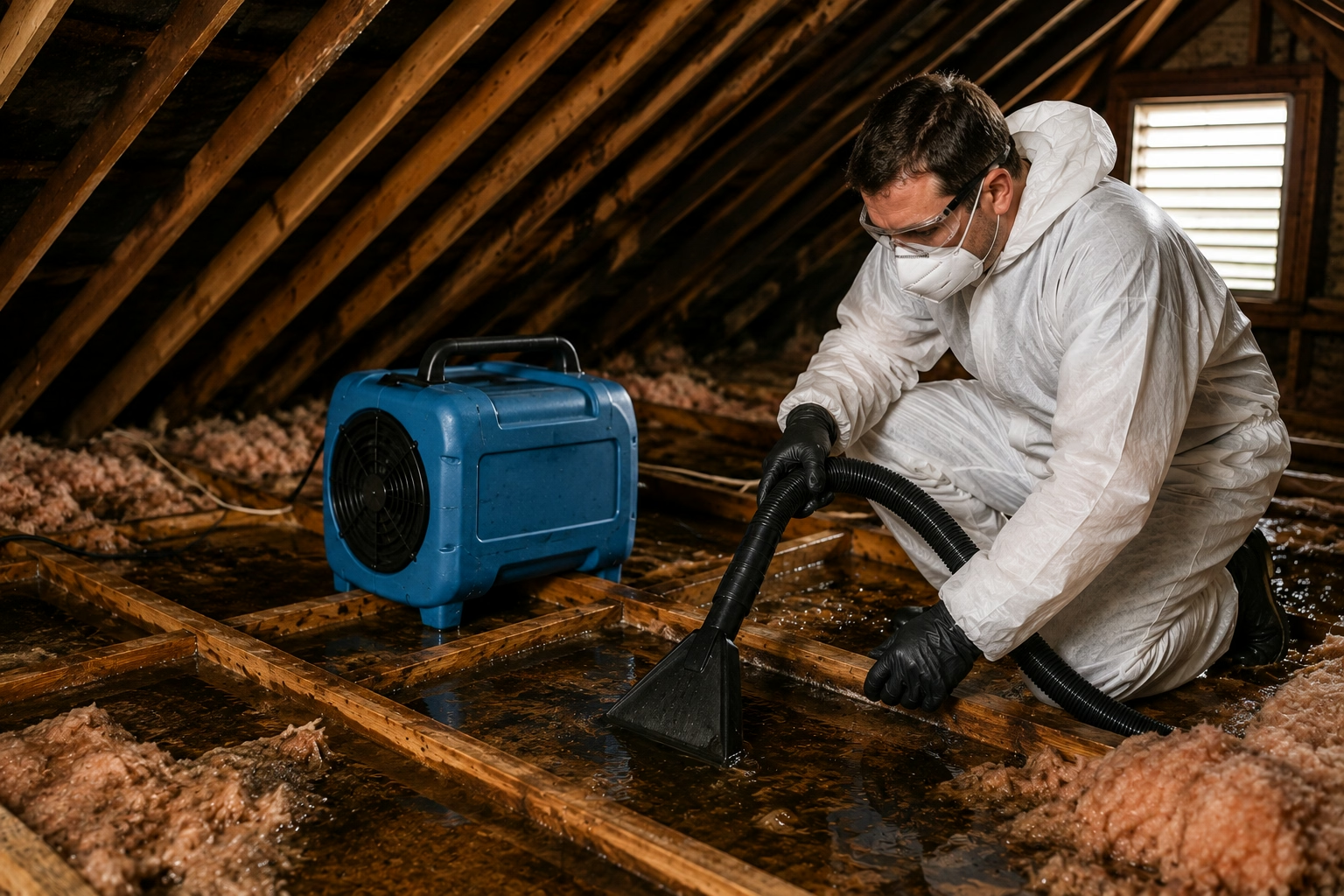
Once the source is identified, the next step is to stop the leak, remove excess moisture, and begin the drying process.
Addressing the issue early can help prevent structural damage, mold growth, and more complex repairs.
FAQs
What are the first signs of hidden water damage?
Musty odors, stains on walls or ceilings, and peeling paint are often early indicators.
Can hidden water damage cause mold?
Yes. Moisture buildup creates ideal conditions for mold growth, especially in hidden areas.
How do professionals detect hidden water damage?
They use tools like moisture meters and thermal imaging to locate hidden moisture.
Is hidden water damage covered by insurance?
Coverage depends on the cause of the damage and your specific policy.
A Team You Can Trust
Paul Davis Restoration of Miami Beach & Hialeah provides professional water damage inspection, mitigation, and restoration services.
Our team uses advanced tools to detect hidden moisture, identify the source of the issue, and begin the drying process quickly.
We understand how important fast response is when dealing with water damage, especially when the problem is not immediately visible.
With decades of experience, Paul Davis helps homeowners protect their properties and restore safe living conditions.
Hidden water damage can develop slowly but lead to serious problems if it is not addressed.
By recognizing early warning signs such as musty odors, stains, peeling paint, warped flooring, and unexplained water usage, homeowners can take action before the damage becomes more severe.
Early detection and fast response are key to minimizing damage, protecting your home, and avoiding costly repairs.
The Paul Davis team is local, available 24/7, and equipped to assess, dry, and remediate moisture and mold problems in South Florida homes. Prevention is always the better path, but when mold does appear, fast professional response makes a significant difference in the outcome.
Call Us 24/7 for a Free Inspection: 305-787-2260
Paul Davis Restoration of Miami Beach & Hialeah acts quickly to stop damage in Aventura, Miami Beach, Hialeah, Doral, and beyond.