Reconstruction and remodeling after property damage involve repairing, rebuilding, and restoring homes or commercial properties after events such as water damage, fire, storms, mold, or structural failure. These services help return damaged properties to safe, functional, and livable conditions while addressing both structural and cosmetic issues.
Property damage often extends beyond initial cleanup and mitigation. While water extraction, debris removal, and sanitation are critical first steps, many properties also require rebuilding and repairs before they can be fully restored.
In areas like Miami Beach, where homes and businesses are frequently exposed to storms, humidity, and flooding, reconstruction services are an important part of the restoration process. Understanding how reconstruction and remodeling work can help property owners prepare for recovery and make informed decisions after damage occurs.
Why Reconstruction After Property Damage Requires Immediate Action
Structural damage can worsen over time if repairs are delayed.
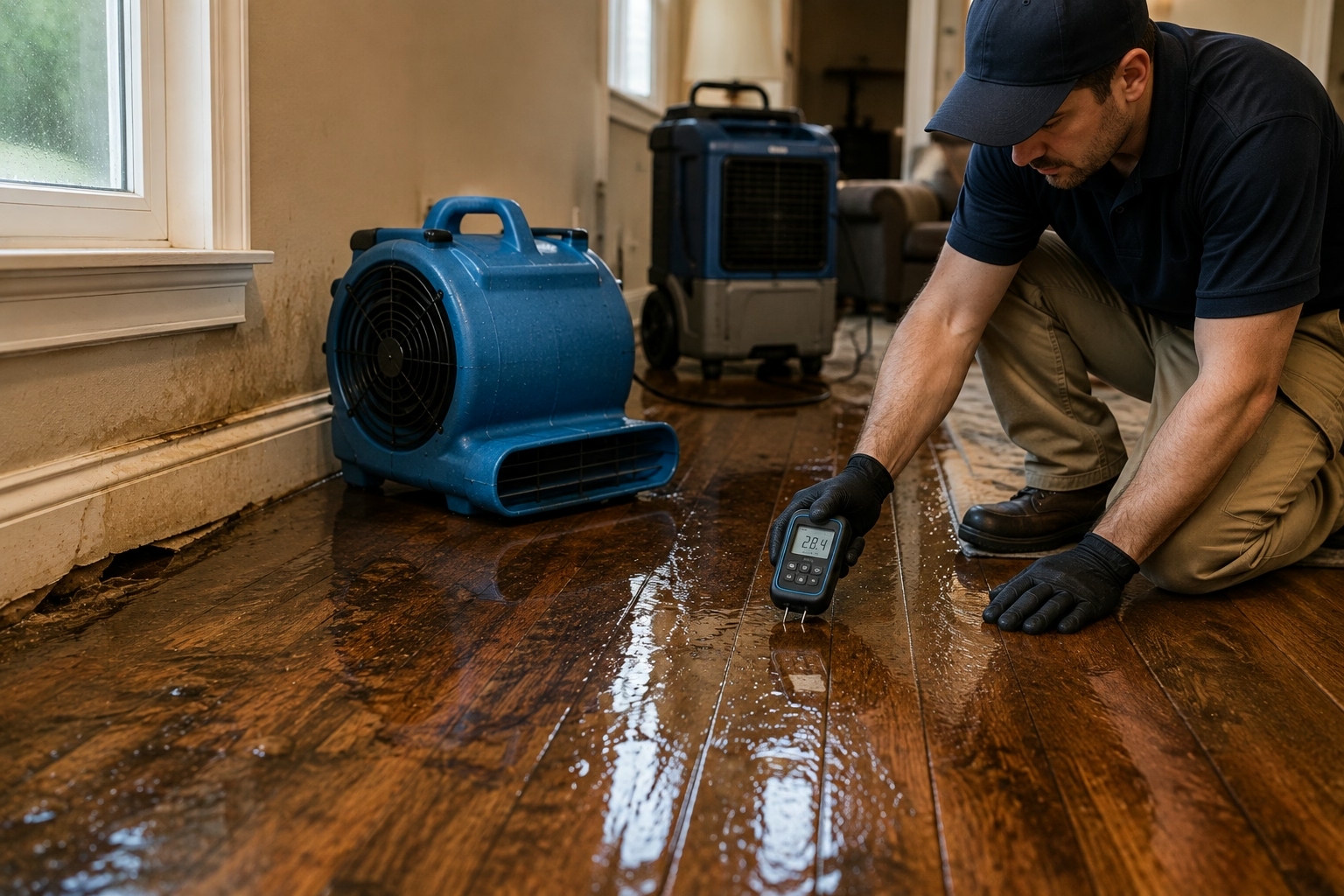
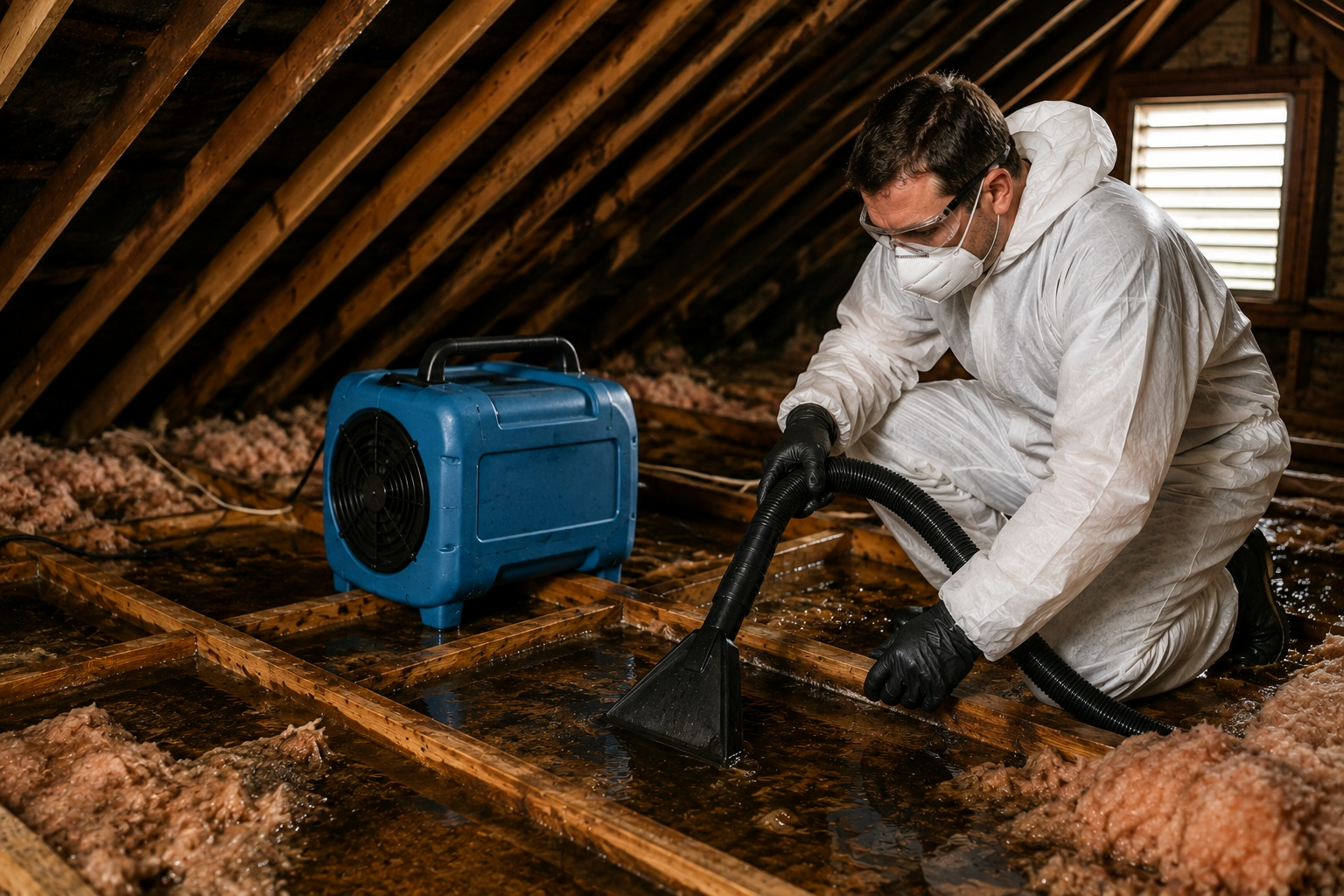
After water damage, moisture can weaken drywall, flooring, framing, and insulation. In humid environments like South Florida, prolonged moisture exposure can also lead to mold growth and further deterioration.
Fire damage can compromise structural materials, leaving walls, ceilings, and support systems unstable. Smoke and soot can continue affecting surfaces and materials long after the fire is extinguished.
Storm damage can expose roofs, windows, and exterior structures to additional weather exposure, increasing the risk of water intrusion and structural weakening.
Delaying reconstruction can lead to higher repair costs, additional damage, and longer periods of disruption for homeowners and businesses.
Acting quickly helps stabilize the property, prevent further deterioration, and begin the rebuilding process sooner.
What Reconstruction and Remodeling Services Include
Reconstruction services involve multiple phases designed to restore the property after mitigation and cleanup are complete.
The process begins with a detailed inspection of the structure. Restoration professionals assess the extent of damage and determine which areas require rebuilding or repair.
Once the assessment is complete, demolition of unsalvageable materials may begin. Damaged drywall, flooring, cabinetry, insulation, or structural components are carefully removed.
Structural repairs follow to restore the integrity of the property. This may include framing, roofing, subfloor repairs, or reinforcement of damaged areas.
After structural work is complete, remodeling and finishing services begin. This can involve installing drywall, flooring, cabinetry, paint, trim, and fixtures.
Electrical, plumbing, and HVAC systems may also be repaired or replaced if they were affected by the damage.
A final inspection ensures that all repairs meet safety and quality standards before the property is fully restored.
Common Types of Damage Requiring Reconstruction
Property damage can affect multiple parts of a structure, making reconstruction necessary.
Water Damage
Flooding and leaks can weaken flooring, walls, ceilings, and support structures. Prolonged moisture exposure may require major rebuilding.
Fire Damage
Fire can destroy structural components and leave behind smoke and soot damage that affects walls, insulation, and finishes.
Storm Damage
High winds, hurricanes, and falling debris can damage roofs, windows, siding, and framing systems.
Mold Damage
Severe mold growth can affect drywall, insulation, and wood materials, requiring removal and reconstruction.
Structural Collapse or Impact Damage
Vehicle impacts, falling trees, or severe deterioration can compromise structural stability and require rebuilding.
Understanding the extent of damage helps determine the scope of reconstruction needed.
What Happens During the Reconstruction Process
The reconstruction process follows a structured approach to restore the property safely and efficiently.
The first step is planning and assessment. Restoration teams evaluate the damage, create repair plans, and coordinate the rebuilding process.
Next, damaged materials are removed. This creates a clean and stable environment for reconstruction work.
Structural repairs are then completed to restore the safety and integrity of the property. Roofing, framing, and support systems may be repaired or replaced during this stage.
After structural work is complete, interior rebuilding begins. Drywall, flooring, cabinetry, and finishes are installed to restore the appearance and functionality of the property.
Painting, trim work, and final details follow to complete the remodeling process.
A final walkthrough and inspection confirm that all repairs are complete and that the property is ready for occupancy.
Why Professional Reconstruction Services Are Important
Reconstruction after property damage requires specialized expertise and coordination.
Attempting repairs without professional experience can lead to incomplete work, safety issues, or building code violations.
Professional restoration and reconstruction teams understand how to evaluate structural damage, manage repairs, and coordinate multiple phases of rebuilding.
They also use industry-standard materials and techniques to ensure long-term durability and safety.
In addition, working with one company for both restoration and reconstruction can help streamline the recovery process. Communication between cleanup crews and rebuilding teams improves efficiency and reduces delays.
Professionals can also assist with documentation and estimates for insurance claims, helping property owners manage the financial side of restoration.
When to Call Reconstruction and Remodeling Services
Property owners should seek reconstruction services as soon as structural or interior damage is identified.
Professional rebuilding is often necessary after major water damage, fire incidents, storms, or situations involving structural weakening.
Signs that reconstruction may be needed include collapsed ceilings, warped flooring, damaged walls, roof failure, or extensive moisture damage.
Even if damage appears limited, hidden structural issues may still be present. A professional assessment can help identify problems early and prevent future complications.
Early response helps reduce long-term costs, speeds up recovery, and restores safe living or working conditions more efficiently.
Frequently Asked Questions (FAQ)
What is reconstruction after property damage?
It involves rebuilding and repairing structural and interior areas of a property after damage from water, fire, storms, or other disasters.
When does reconstruction begin?
Reconstruction typically begins after mitigation, cleanup, and drying are completed.
Can remodeling be included during reconstruction?
Yes. Many property owners choose to update or improve areas of the property during the rebuilding process.
Is professional reconstruction necessary?
Yes. Structural repairs and rebuilding require professional expertise to ensure safety and compliance.
A Team You Can Trust
Paul Davis Restoration of Miami Beach & Hialeah provides reconstruction and remodeling services with professional care and attention to detail.
Our team manages every phase of the rebuilding process, from demolition and structural repairs to interior finishing and final restoration. We work efficiently to restore properties safely while minimizing disruption for homeowners and businesses.
With 24/7 emergency response and extensive restoration experience, Paul Davis is a trusted partner for reconstruction services in Miami Beach.
Reconstruction and remodeling after property damage are essential for restoring safety, functionality, and comfort after a disaster.
Because structural issues can worsen over time, immediate action and professional rebuilding are critical.
By working with experienced restoration professionals, property owners can repair damage, restore their property efficiently, and move forward with confidence.