Structural damage after a hurricane is not always dramatic. A home does not need a collapsed wall or a roof that has caved in to have sustained damage that compromises its safety and integrity. Some of the most serious structural issues after a major storm are subtle — visible only to someone who knows what to look for and where to look for it.
For Miami-Dade homeowners returning to their property after a hurricane, knowing the warning signs of structural damage — and understanding when those signs require immediate professional involvement — is one of the most important parts of the post-storm assessment.
Why Structural Damage After a Hurricane Is Easy to Miss
Hurricanes stress a home’s structure in multiple ways simultaneously. Wind pressure acts on walls, roof assemblies, and connections between structural components. Water intrusion saturates and weakens materials. Storm surge exerts lateral force against foundations and exterior walls. Each of these forces can produce structural damage that is not immediately obvious — particularly in areas of the home that are not directly accessible during a standard interior walkthrough.
Homeowners who assess their property based only on what is visible from the interior and ground level often miss structural issues that are developing in the attic, in wall assemblies, and at the foundation. A thorough post-storm structural assessment requires looking beyond the obvious. Read our post on what to do after a hurricane for the full sequence of steps to follow when returning to a storm-affected property.
Exterior Structural Warning Signs
The exterior of the home tells much of the structural story after a hurricane. Visible bowing or bulging in exterior walls suggests that wind pressure or water saturation has compromised the wall assembly. Cracks in masonry or stucco that were not present before the storm — particularly diagonal cracks running from corners of windows and doors — can indicate structural movement or settling caused by the storm event.
Gaps that have opened between the roofline and the top of exterior walls, or between the wall and the soffit, suggest that uplift forces during the storm may have partially separated the roof assembly from the wall structure. These connections are critical to the structural integrity of the entire building and any separation warrants immediate professional assessment before the home is occupied.
Roof Assembly Warning Signs
Roof damage after a hurricane ranges from obvious to nearly invisible — and the structural implications vary accordingly. Missing shingles or tiles are visible from the ground but represent only surface damage. More serious structural concerns involve the roof decking, the rafters, and the connections between the roof assembly and the top plates of the walls beneath it.
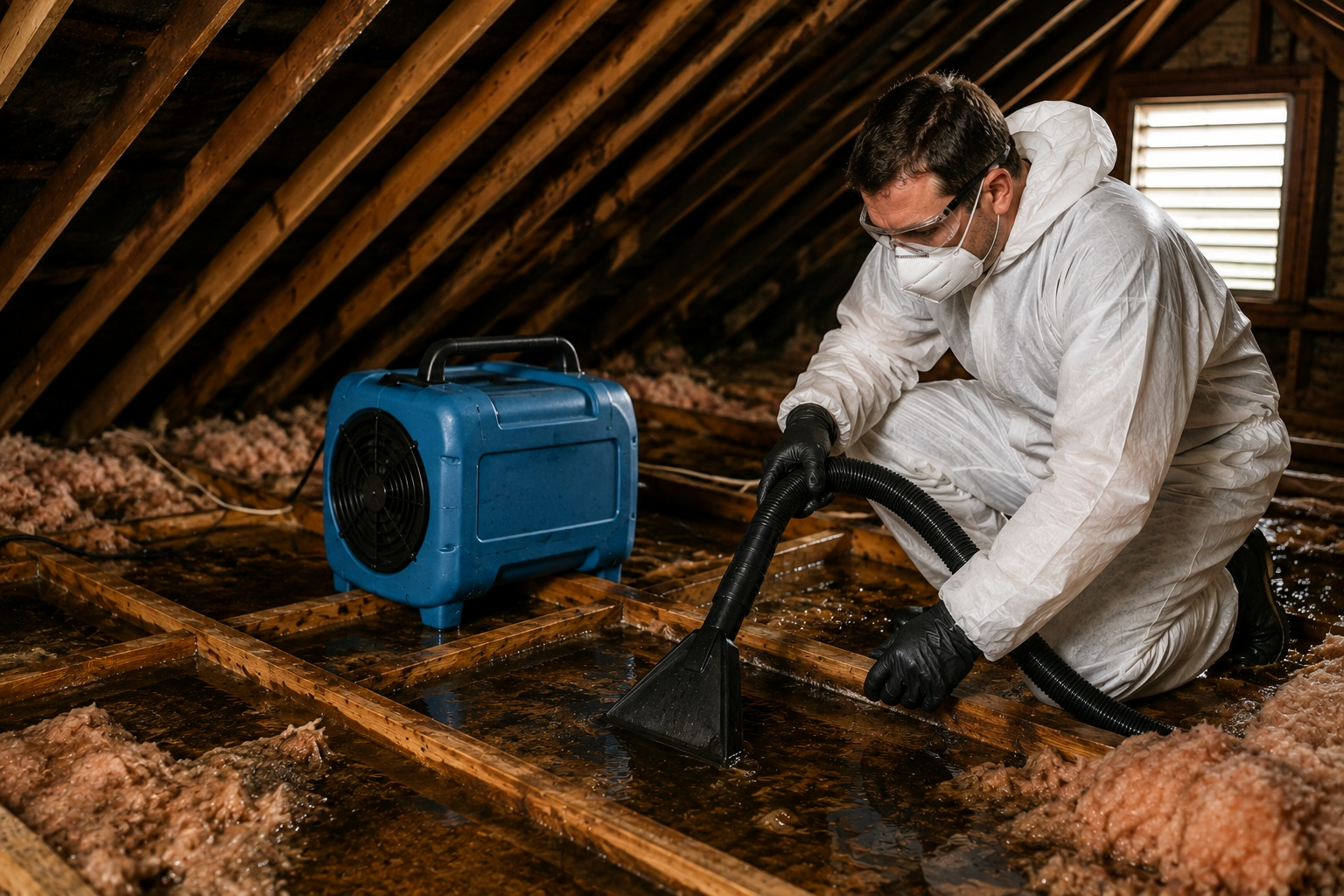
Signs of structural roof damage include visible sagging of the roofline when viewed from outside, soft spots on the roof deck when walked on, and rafters or trusses that are cracked, split, or displaced when viewed from inside the attic. Any of these conditions indicates that the storm exceeded the design capacity of part of the roof assembly — and the full extent of that damage needs professional evaluation before restoration work proceeds. Read our post on hurricane roof damage signs for a complete breakdown of what to look for across the full roof system.
Interior Structural Warning Signs
Inside the home, structural damage manifests in ways that are easy to attribute to other causes if you are not specifically looking for them. Doors and windows that no longer open, close, or latch properly after a storm are a significant indicator — frames that have shifted suggest the wall structure around them has moved. Cracks in interior walls — particularly at the corners of door and window openings — follow the same logic.
Floors that have developed a noticeable slope or bounce that was not present before the storm suggest subfloor or structural framing damage below. Ceiling cracks that run along a straight line rather than randomly may indicate that a structural member above has shifted or cracked. Any of these signs warrants professional structural assessment rather than a monitoring approach.
Foundation Warning Signs
Foundation damage after a hurricane is among the most serious structural concerns and among the least frequently assessed by homeowners during post-storm evaluation. Storm surge exerts significant lateral force against foundations — particularly in Miami-Dade’s coastal areas where surge can be substantial during a major hurricane. That force can cause cracking, displacement, and in severe cases, partial undermining of the foundation.
Exterior signs of foundation concern include new cracks in the concrete at or near grade level, gaps between the foundation and the exterior wall above it, and visible displacement or settling in sections of the exterior perimeter. Inside, foundation movement often manifests as sloping floors, sticking doors on the ground level, and cracks in floor tiles or the concrete slab. Storm surge impact on foundations should be evaluated by a structural engineer rather than a general contractor. Read our post on saltwater storm surge home damage to understand why surge-related foundation damage requires specialized assessment.
Why Structural Damage Compounds After a Hurricane
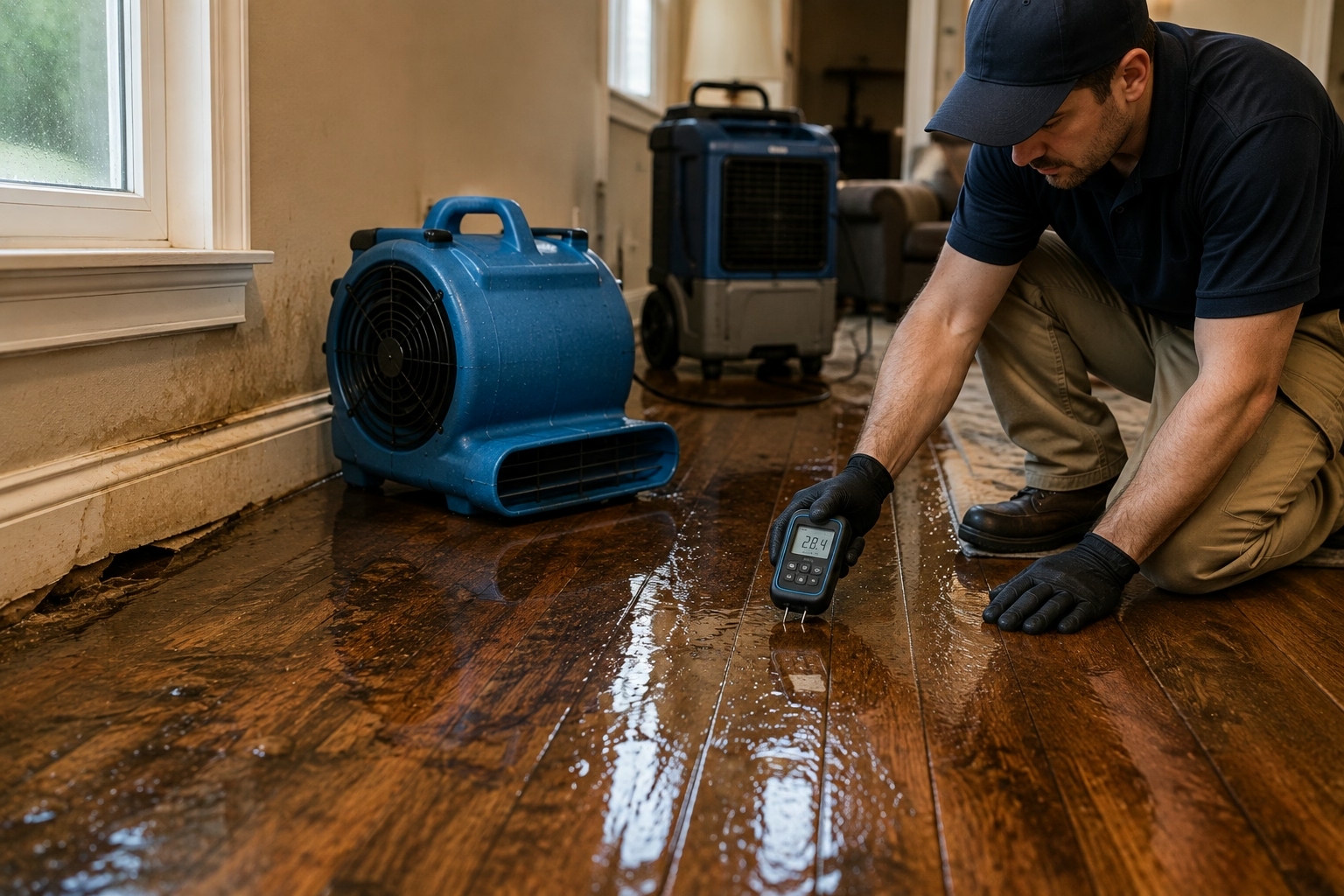
Structural damage left unaddressed after a hurricane does not stay static. A roof assembly that was partially compromised by wind uplift is more vulnerable to the next rain event than it was before the storm. A wall that absorbed significant moisture is weaker than it was before saturation. And any breach in the structural envelope that allows ongoing water entry creates conditions for mold and continued material degradation that expand the restoration scope with every day that passes.
The compounding effect of unaddressed structural damage is one of the primary reasons restoration costs increase significantly when mitigation is delayed. Damage that is identified and stabilized within the first 24 to 48 hours after a storm consistently results in a smaller and less expensive restoration scope than the same damage left unaddressed for several days. Learn more about how restoration costs are affected by timing in our post on hurricane damage restoration cost in Miami Beach.
When to Call a Professional — and When Not to Wait
Any of the structural warning signs described above warrants professional assessment rather than a wait-and-see approach. If a home shows signs of roof assembly separation, foundation movement, or significant interior structural cracking, it should not be occupied until a qualified professional has confirmed it is safe. These are not conditions that resolve themselves or that stabilize without intervention.
If you are uncertain whether what you are observing is structural damage or cosmetic damage — cracks in drywall versus cracks in structural framing, for example — err on the side of professional assessment. The cost of a structural evaluation is a fraction of the cost of occupying and further loading a compromised structure. Document everything you observe before the assessment begins and report all structural concerns to your insurer as part of your hurricane claim. Our post on how to file a hurricane damage insurance claim in Florida walks through the full claims process.
Frequently Asked Questions
How do I know if my home sustained structural damage after a hurricane in Miami-Dade? Key warning signs include doors and windows that no longer operate properly, new cracks at the corners of openings or along wall and ceiling surfaces, visible sagging or displacement in the roofline, gaps that have opened between structural components, and floors that have developed new slopes or soft spots. Foundation concerns show up as new cracks at or near grade level and visible settling or displacement of the perimeter. Any of these signs warrants professional assessment before the home is occupied.
Is hurricane structural damage covered by homeowners insurance in Florida? Structural damage caused directly by hurricane-force winds is typically covered under standard Florida homeowners insurance. Structural damage caused by storm surge or flooding requires separate flood insurance coverage. Document all visible structural damage with photos before any stabilization or repair work begins, and report the full scope of damage to your insurer promptly. Learn more about coverage in our post on how Florida homeowners insurance covers hurricane damage.
Can I stay in my home if it has structural damage after a hurricane? It depends on the nature and location of the damage. Cosmetic damage — surface cracking in drywall, minor tile displacement — does not necessarily make a home unsafe to occupy. Damage to the roof assembly, exterior walls, or foundation that compromises the structural integrity of the building does. When in doubt, have a professional assessment completed before occupying the home. Erring on the side of caution with structural concerns is always the appropriate approach.
Work With a Restoration Team That Assesses the Full Structure
Structural damage after a hurricane is not a standalone problem — it is connected to the water intrusion, mold risk, and material damage that follow from every breach in the building envelope. A restoration team that assesses the full scope of structural and moisture-related damage together provides a more complete picture than separate inspections that address each issue in isolation.
Paul Davis Restoration of Miami Beach and Hialeah responds 24/7 to hurricane damage throughout Miami-Dade County. Our IICRC-certified team assesses structural damage alongside moisture intrusion and mold risk, coordinates with structural engineers and licensed contractors where needed, and manages the full restoration process from emergency stabilization through final repair. Contact our water damage restoration services team as soon as it is safe to reach out.
Structural damage warning signs after a hurricane in Miami-Dade range from obvious to easily overlooked — and the ones that are easy to overlook are often the ones with the most serious long-term implications. Knowing what to look for, assessing systematically, and calling a professional when warning signs are present is what keeps structural damage from compounding into a significantly larger problem.
Call us before or after the storm: 305-749-5728
Paul Davis Restoration of Miami Beach and Hialeah serves Miami Beach, Hialeah, Doral, Aventura, and surrounding Miami-Dade County communities.