Storm flooding leaves behind more than visible water damage. In South Florida’s warm, humid climate, the conditions for mold growth can develop inside a home within 24 to 48 hours of water intrusion — often in spaces that are not immediately visible.
Understanding how mold starts after a storm gives homeowners a critical advantage. Acting quickly and knowing what to look for can mean the difference between a drying job and a full remediation.
Why South Florida Homes Are Especially Vulnerable
Mold needs three things to grow: moisture, an organic material to feed on, and warmth. After storm flooding, a South Florida home provides all three in abundance. Drywall, wood framing, insulation, and flooring are all materials mold can establish itself in rapidly — and South Florida’s heat accelerates the process significantly compared to cooler climates.
Homes that experience flooding during hurricane season face the highest risk. Outdoor humidity levels remain elevated long after the storm passes, which slows natural drying and extends the window during which mold can take hold.
Where Mold Starts After Storm Flooding
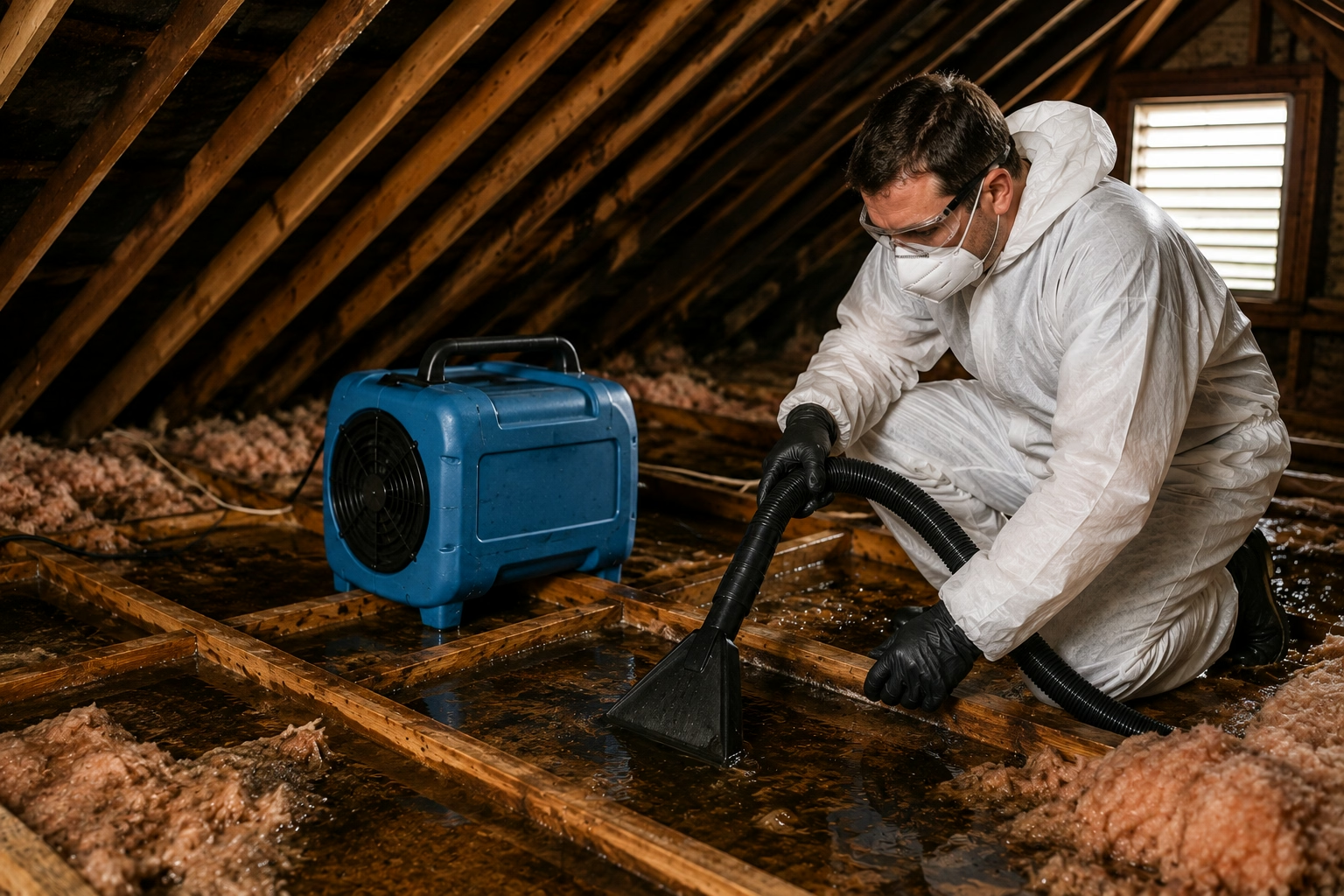
Mold does not always begin where water is most visible. It commonly starts inside wall cavities, beneath flooring, and behind baseboards — areas where water travels but surface drying cannot reach.
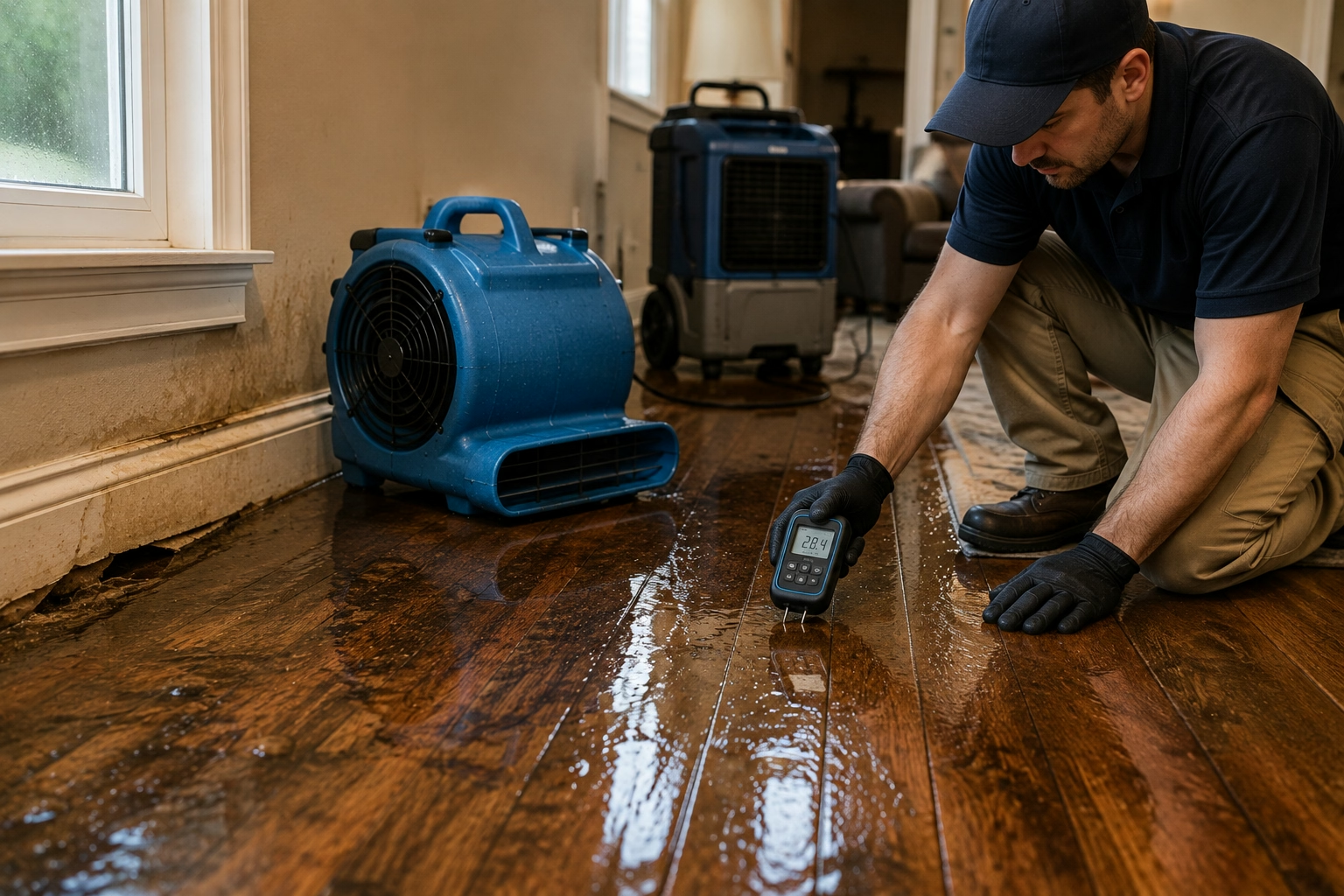
When floodwater enters a home, it moves. It soaks through flooring into the subfloor, wicks up drywall from the bottom, and saturates insulation inside walls. These hidden pockets of moisture are where mold establishes first. By the time it becomes visible on a surface, it has typically already been growing inside the material for days. Read our full breakdown of storm water intrusion to understand how water travels through a home after a storm.
The 24 to 48 Hour Window
The most important factor in mold prevention after storm flooding is time. Research from the EPA and FEMA consistently points to 24 to 48 hours as the window within which water-damaged materials need to be dried to prevent mold growth. In South Florida’s climate, that window can be even shorter.
This is why waiting for an insurance adjuster before beginning any mitigation can work against you. Florida law allows homeowners to take emergency mitigation steps immediately — and starting the drying process fast is one of the most effective things you can do to limit mold risk after a storm.
Signs Mold May Already Be Present
Visible mold growth on walls, ceilings, or flooring is an obvious indicator — but by the time it is visible, the problem has already progressed. Other early signs include a persistent musty odor that does not clear after the home has been aired out, discoloration or bubbling on drywall, and warping in wood flooring or baseboards.
If your home experienced flooding and any of these signs are present, do not attempt to clean surface mold without first addressing the moisture source. Surface cleaning without drying the underlying material will not stop mold from returning.
What to Do Immediately After Storm Flooding
Begin removing standing water as quickly as possible once it is safe to re-enter the home. Open windows and doors if outdoor humidity allows, and remove saturated materials like area rugs, cardboard boxes, and furniture that cannot be dried quickly.
Do not rely on household fans and dehumidifiers alone for significant water intrusion — they are not powerful enough to dry wall cavities and subfloor spaces. Professional drying equipment works at a different scale and is the only reliable way to confirm moisture has been fully removed from structural materials. Our guide on how to dry out your home after a leak covers the full process in detail.
Frequently Asked Questions
How quickly can mold grow after storm flooding in Miami Beach?
Mold can begin developing within 24 to 48 hours of water intrusion in South Florida’s warm, humid climate. In some conditions it can establish even faster. Fast water extraction and professional structural drying are the most effective ways to prevent it.
Can I clean up mold myself after a storm?
Surface mold on non-porous materials can sometimes be cleaned with appropriate products, but mold that has established inside drywall, insulation, or wood framing requires professional remediation. Cleaning the surface without addressing the moisture and the affected material underneath will not resolve the problem.
Will my insurance cover mold damage after a hurricane?
Coverage depends on your policy and the cause of the mold. Mold that results directly from a covered storm event — such as wind-driven rain through a damaged roof — is often covered.
Work With a Team That Can Stop Mold Before It Starts
The most effective mold prevention after storm flooding is fast, thorough water extraction and structural drying by a certified restoration team. Waiting to see whether mold develops is not a strategy — by the time it is confirmed, the remediation scope has already grown.
Paul Davis Restoration of Miami Beach and Hialeah responds 24/7 to storm flooding throughout South Florida. Our IICRC-certified technicians use commercial extraction and drying equipment alongside moisture detection tools to confirm materials are fully dry — not just surface dry. Learn more about our storm damage restoration services.
Mold resulting from flooding typically requires separate flood insurance. Document all damage thoroughly and report your claim promptly to preserve your options.
Storm flooding and mold go hand in hand in South Florida. The faster water is removed and materials are dried, the lower the risk — and the smaller the total cost of restoration.
Call us before or after the storm: 305-749-5728
Paul Davis Restoration of Miami Beach and Hialeah serves Miami Beach, Hialeah, Doral, Aventura, and surrounding South Florida communities.