A hurricane damage cleanup checklist helps homeowners and property owners organize the cleanup and restoration process after a storm. Hurricanes can cause flooding, roof damage, structural issues, mold growth, and contamination, making immediate action critical for protecting both safety and property.
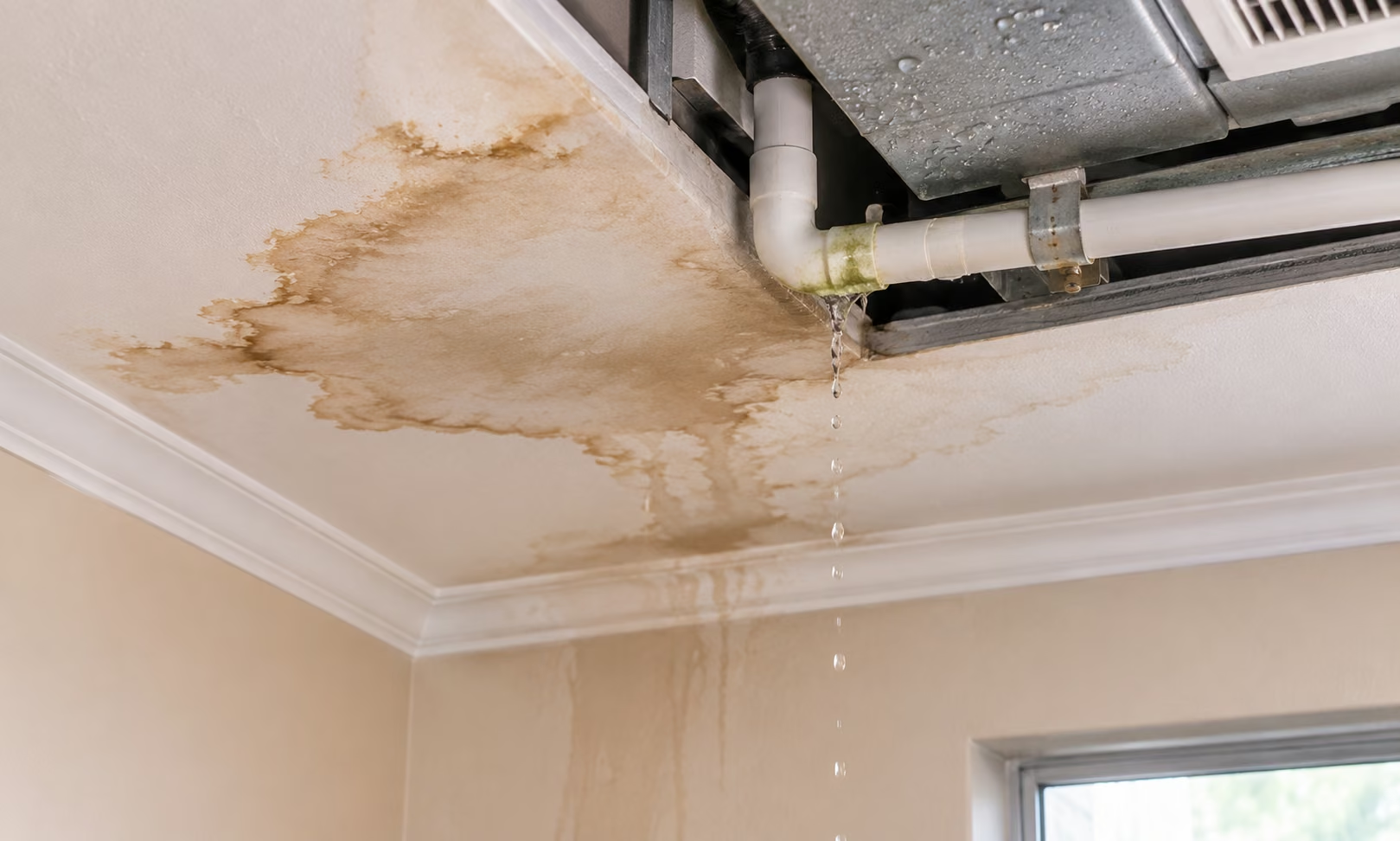
After a hurricane passes, the damage may not always be fully visible. Water intrusion, hidden moisture, and weakened structural components can continue affecting the property long after the storm ends.
In areas like Miami Beach, where hurricanes and tropical storms are a major concern, having a clear cleanup plan can help reduce further damage, improve safety, and speed up recovery.
Understanding the proper steps to take after hurricane damage can help homeowners respond more effectively and avoid common mistakes during cleanup.
Why Hurricane Cleanup Requires Immediate Action
Hurricane damage can worsen quickly if cleanup and mitigation are delayed.
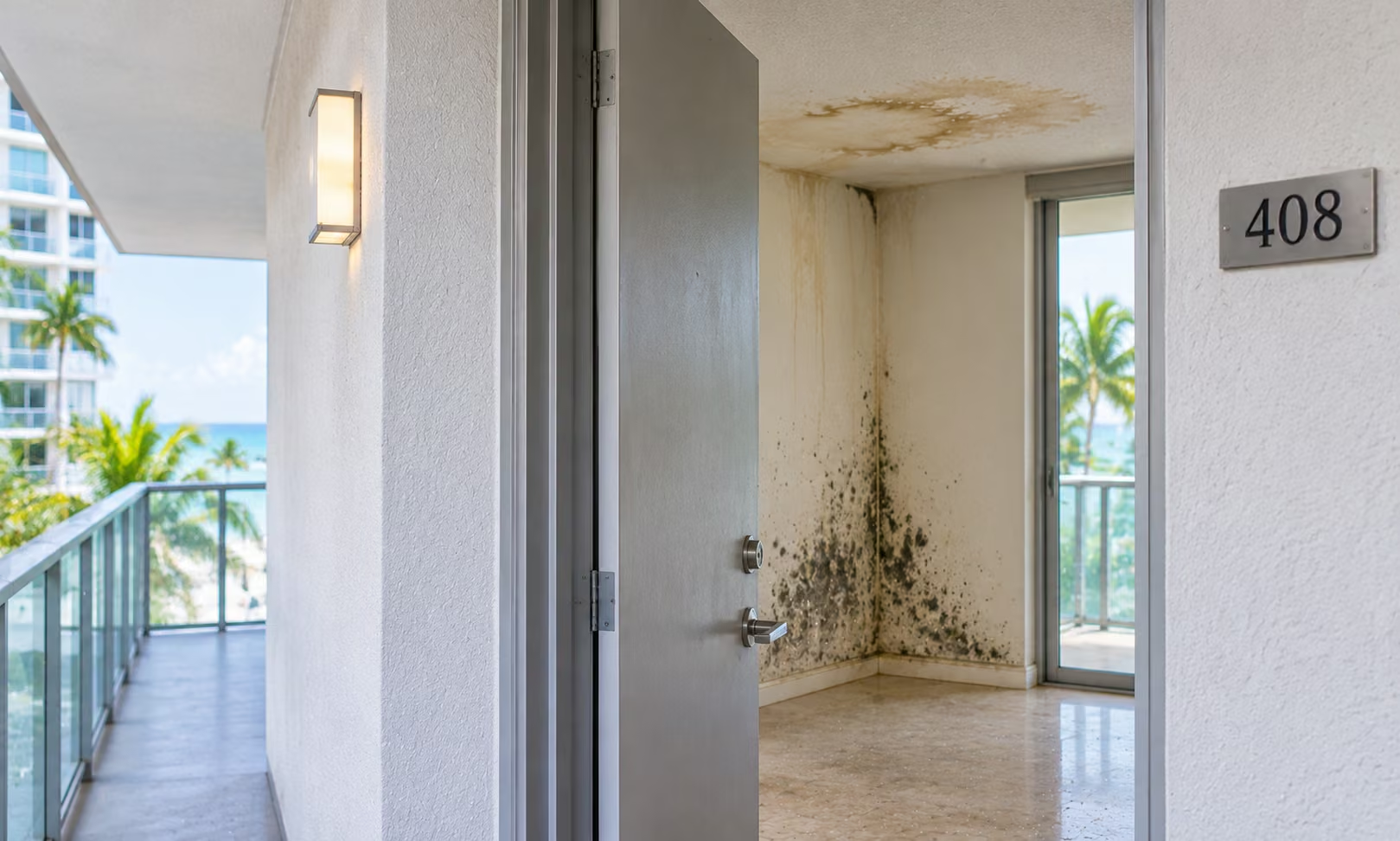
Floodwater and stormwater can spread throughout the property, soaking floors, walls, furniture, and structural materials. In humid climates like South Florida, mold can begin growing within 24 to 48 hours after water exposure.
Storm damage can also leave roofs, windows, and exterior walls vulnerable to additional water intrusion. Debris and standing water may create safety hazards and contamination risks.
Electrical systems affected by flooding or storm damage may also become dangerous if not properly inspected.
Acting quickly helps stabilize the property, reduce health risks, and improve the chances of restoring damaged materials.
What a Hurricane Damage Cleanup Checklist Includes
A hurricane cleanup checklist helps organize the recovery process and ensures that important steps are not overlooked.
The checklist typically includes:
- Inspecting the property for visible damage
- Prioritizing safety before entering affected areas
- Documenting damage for insurance purposes
- Removing standing water and debris
- Drying and dehumidifying affected spaces
- Cleaning and disinfecting contaminated areas
- Identifying structural damage
- Contacting restoration professionals
Following a structured approach can help homeowners manage cleanup more safely and efficiently.
Step 1: Prioritize Safety Before Entering the Property
Safety should always be the first priority after a hurricane.
Before entering the property, homeowners should check for structural instability, downed power lines, gas leaks, or standing water near electrical systems.
Floodwater may also contain contaminants, including sewage, chemicals, and debris.
Protective equipment such as gloves, boots, and masks should be used during cleanup to reduce exposure to hazardous materials.
If the property appears unsafe or severely damaged, professional assistance should be contacted immediately.
Step 2: Document All Damage
Documenting damage is an important part of both the restoration and insurance claims process.
Homeowners should take photos and videos of all affected areas before cleanup begins. This includes structural damage, water intrusion, damaged belongings, and debris.
Creating a detailed record helps support insurance claims and provides a clear overview of the damage.
Important documents and receipts related to temporary repairs or cleanup should also be saved whenever possible.
Step 3: Remove Standing Water and Debris
Standing water should be removed as quickly as possible to prevent further damage.
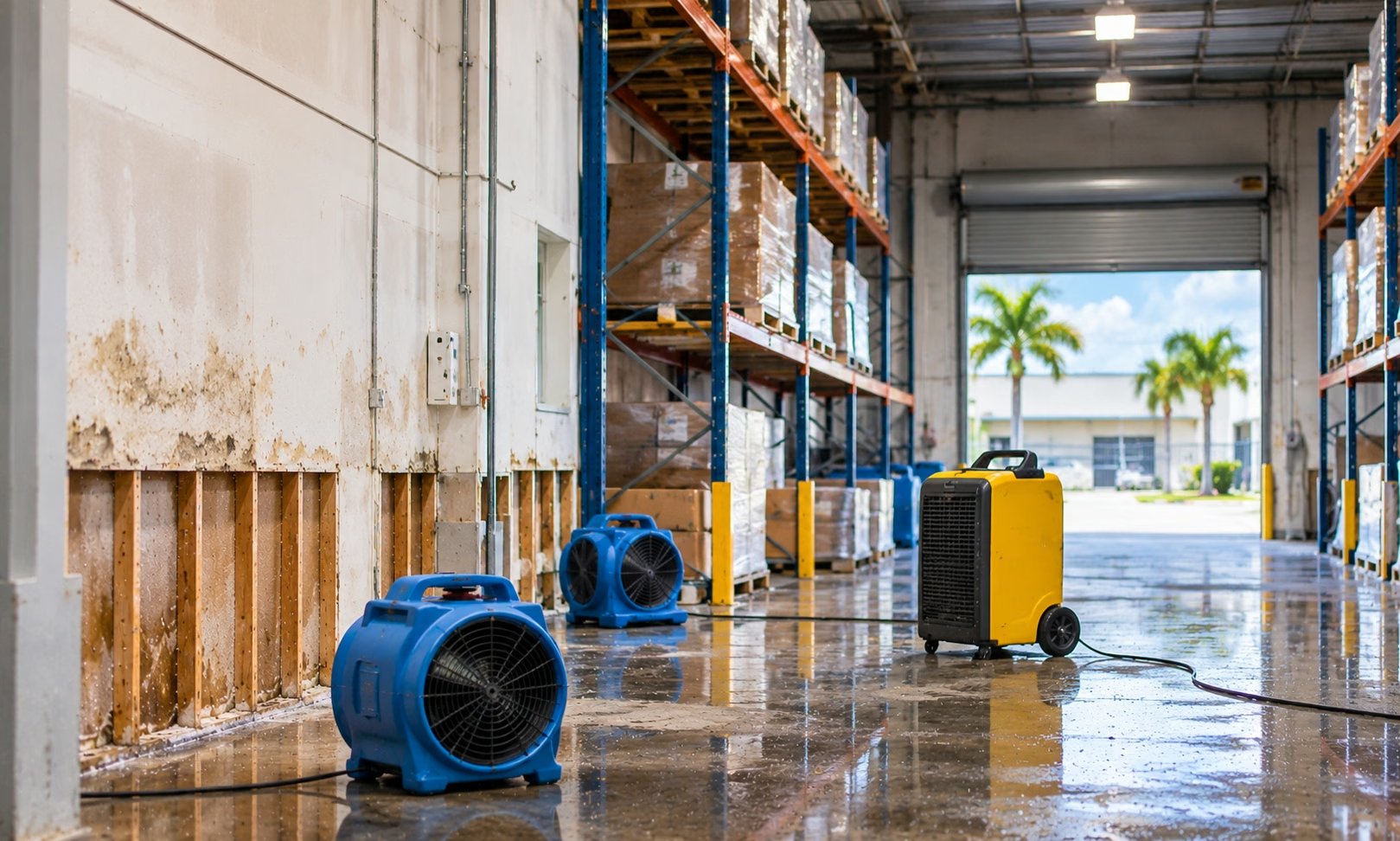
Water extraction equipment, pumps, and wet vacuums are often used to remove floodwater from floors, crawl spaces, and affected rooms.
Debris such as fallen branches, damaged materials, and contaminated items should also be removed carefully.
Floodwater can carry harmful bacteria and contaminants, making professional cleanup especially important after severe flooding.
Fast water removal helps reduce moisture levels and improves the effectiveness of drying efforts.
Step 4: Dry and Dehumidify the Property
After water removal, drying and dehumidification are critical to preventing mold growth and structural damage.
Industrial air movers and dehumidifiers help remove hidden moisture from walls, flooring, insulation, and other materials.
Moisture detection equipment may also be used to identify water trapped behind walls or beneath flooring.
In humid environments like Miami Beach, proper drying is especially important because moisture can linger even after surfaces appear dry.
Thorough drying helps reduce long-term restoration costs and prevents additional damage.
Step 5: Clean and Sanitize Affected Areas
Hurricane flooding often introduces contaminants into the property.
Cleaning and disinfection help eliminate bacteria, mold spores, and hazardous materials left behind by stormwater or sewage exposure.
Professional-grade cleaning solutions and air purification equipment may be used to improve indoor air quality and remove odors.
Porous materials that cannot be safely cleaned may need to be removed and replaced.
Proper sanitation is essential for restoring safe living conditions after a hurricane.
Step 6: Inspect for Structural Damage
Storms and hurricanes can weaken structural components throughout the property.
Roofing systems, walls, ceilings, flooring, and foundations should be inspected for signs of damage.
Common issues include roof leaks, warped materials, cracked walls, and weakened support structures.
Even if damage appears minor, hidden structural issues may still be present.
Professional inspections help identify problems early and ensure that repairs are completed safely.
Step 7: Contact Restoration Professionals
Professional restoration services play an important role in hurricane recovery.
Restoration teams use specialized equipment to remove water, dry the property, clean contamination, and repair structural damage.
They can also help document damage for insurance claims and coordinate the restoration process efficiently.
Working with experienced professionals helps reduce recovery time and improves overall restoration outcomes.
Why Professional Hurricane Cleanup Is Important
Hurricane cleanup often involves multiple types of damage occurring at the same time.
Water intrusion, mold growth, structural weakening, contamination, and electrical hazards may all require specialized expertise.
Attempting cleanup without proper equipment can leave hidden moisture or damage behind, increasing the risk of long-term issues.
Professional restoration teams understand how to manage large-scale storm damage safely and efficiently.
They also follow industry standards for drying, sanitation, and structural restoration.
Working with experienced professionals helps ensure that the property is restored thoroughly and safely.
Frequently Asked Questions (FAQ)
What should I do first after hurricane damage?
Prioritize safety, inspect the property carefully, and document all visible damage before cleanup begins.
How quickly should hurricane cleanup begin?
Immediately. Fast action helps reduce additional damage and prevents mold growth.
Can floodwater from hurricanes be dangerous?
Yes. Floodwater may contain sewage, bacteria, chemicals, and other contaminants.
Is professional restoration necessary after a hurricane?
In many cases, yes. Professional equipment and expertise are often required for proper cleanup and drying.
A Team You Can Trust
Paul Davis Restoration of Miami Beach & Hialeah provides hurricane damage cleanup and restoration services with fast response and professional care.
Our team handles every stage of the recovery process, including water removal, debris cleanup, drying, sanitation, structural repairs, and reconstruction. We use advanced equipment and proven restoration techniques to restore properties safely and efficiently.
With 24/7 emergency service and extensive storm restoration experience, Paul Davis is a trusted partner for hurricane cleanup services in Miami Beach.
A hurricane damage cleanup checklist helps property owners respond quickly and organize the restoration process after severe storms.
Because hurricane damage can continue worsening after the storm ends, immediate cleanup and professional restoration are essential.
By following proper cleanup steps and working with experienced restoration professionals, homeowners can reduce damage, restore safe conditions, and recover more efficiently.
The Paul Davis team is local, available 24/7, and equipped to assess, dry, and remediate moisture and mold problems in South Florida homes. Prevention is always the better path, but when mold does appear, fast professional response makes a significant difference in the outcome.
Call Us 24/7 for a Free Inspection: 305-787-2260
Paul Davis Restoration of Miami Beach & Hialeah acts quickly to stop damage in Aventura, Miami Beach, Hialeah, Doral, and beyond.